Neurological Rehab in Tennessee
Somebody told you the window had closed and this is as good as it gets. That is a guess, not a test result. Neurological rehab retrains the movement your nervous system stopped sending cleanly, one repetition at a time.
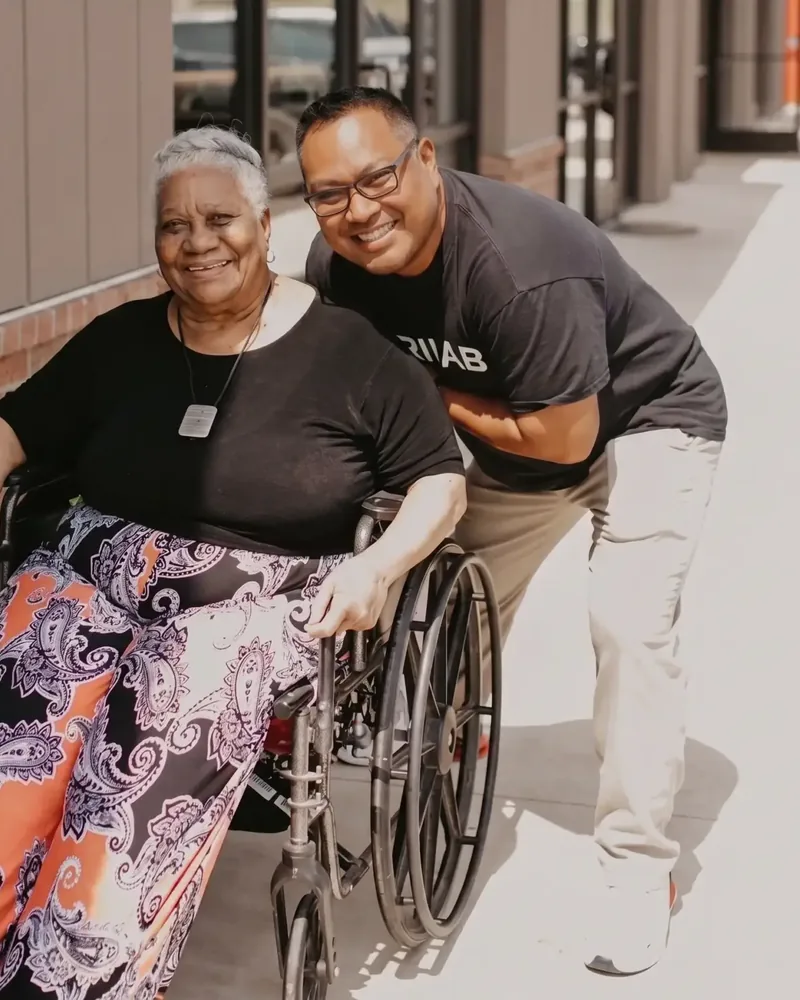
What is neurological rehab?
Neurological rehab is physical therapy for problems that start in the brain, the spinal cord, or the nerves rather than in the joint itself. A stroke, Parkinson's disease, multiple sclerosis, a traumatic brain injury or concussion, a spinal cord injury, or peripheral neuropathy usually does not ruin the muscle. It interrupts the signal that tells the muscle what to do and when. That is why the leg tests strong and still buckles on a curb, and why the hand can grip a rail and still lets go of a coffee cup. Rehab works on the signal. Your therapist retrains gait and mobility so walking is controlled instead of guessed at, drills balance and coordination to bring fall risk down, builds strength so the muscle can answer once the signal gets through, and rehearses the real tasks that make up your day: standing up off a low couch, turning in a narrow kitchen, getting to the mailbox and back without planning the route.
Most clinics treat a neurological diagnosis as a maintenance problem and send you home with a sheet of range of motion exercises. We treat it as a training problem. Terri Donahue, a licensed physical therapist at our Paris clinic, is LSVT BIG certified, a protocol developed for Parkinson's disease and also used with stroke and other neurological conditions, which trains large, deliberate movement until ordinary movement stops feeling like effort. Every visit is 30 to 60 minutes, one on one, and the plan changes as your control changes. Tennessee has direct access, so you can be evaluated and treated for up to 90 days without a physician's prescription, and we will verify your insurance benefits before you start.
Who neurological rehab helps in Tennessee.
Most people we see for neuro rehab are past 65 and have been told the same sentence: this is your new normal. Sometimes that is true. Often it has simply never been tested.
Recovering after a stroke
The affected side works, just not on command. You watch your foot to make sure it clears the curb, and you sit down to dress because standing to do it feels like a gamble. We retrain the pattern in the order the nervous system actually learns it, control first and speed later, so walking stops being something you have to supervise.
Living with Parkinson's disease
Steps shorten, the arm quits swinging, and your handwriting shrinks without you ever deciding it should. LSVT BIG is built for exactly that drift: big, deliberate movement practiced until your sense of normal size resets. The change people tend to notice first is a longer stride and a steadier turn in a tight bathroom.
Nerve damage, MS and brain injury
Peripheral neuropathy, multiple sclerosis, sciatica, or a concussion has left you with numb feet, unreliable balance, or fatigue that arrives by early afternoon. We build what you can still control: hip and ankle strength, balance strategies that do not depend on feeling the floor, and pacing. Fewer stumbles on uneven ground is a realistic goal.
What to expect in a session.
The first appointment is an evaluation, not a workout. Nobody is going to push you past what your balance can hold. Here is how the visits run.
The evaluation
Your therapist watches you walk, stand up from a chair, turn, and reach, then tests strength, sensation, and balance on both sides so the difference is measured rather than assumed. You talk through the diagnosis, your medications, and the two or three things you most want back. That short list becomes the plan.
The working session
Thirty to sixty minutes, one on one, every visit. Gait and mobility training, balance and coordination drills, strength work for whatever failed the test, and movement retraining for the specific tasks you named. Difficulty moves up or down with the day you are having, because neurological conditions do not hand out identical days.
Home program and retesting
You leave with a short home program, usually a handful of movements that take about ten minutes, because a nervous system relearns on repetition and two visits a week is not enough repetition on its own. Typical plans run two to three visits a week for four to six weeks, and we retest so progress is measured.
Rehab is for change that has settled in, not change that is happening right now. Sudden weakness on one side, a drooping face, new slurred speech, or sudden loss of vision is a stroke until proven otherwise. Call 911, not us. For your first visit, bring your current medication list and any imaging or doctor's notes you have.
I have been going there for a couple of months getting better all the time. The people are so great, way to go guys keep it up.
Where to go next.
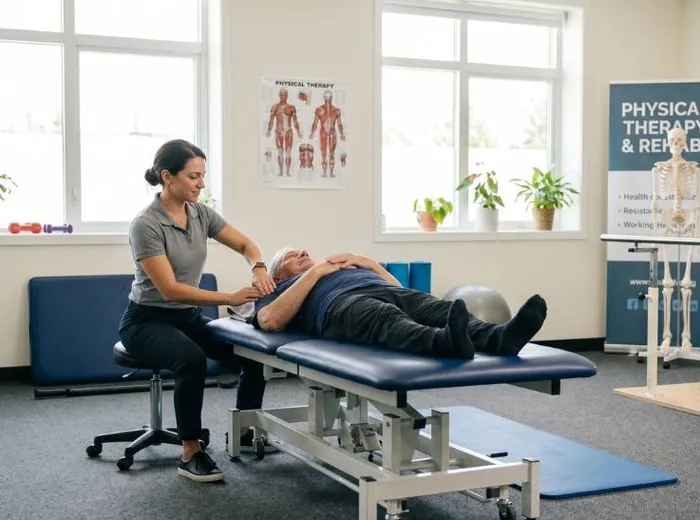
Manual Therapy
Hands-on work on stiff joints and guarded muscle, so the movement you are retraining is actually available to you.

Balance Therapy
Standing, turning and walking drills for the system that keeps you upright when the floor is uneven.
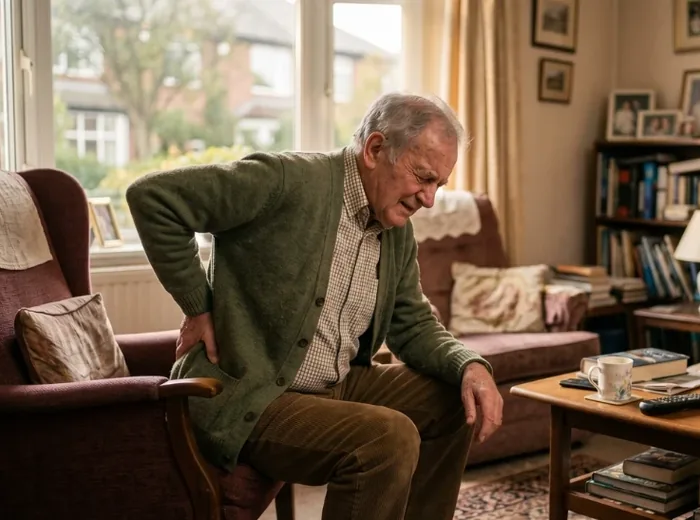
Nerve Pain
Sciatica, neuropathy, and the burning or numbness that shows up when a nerve is involved.