Back Pain & Sciatica Treatment in Tennessee
You have rested it, stretched it, and waited for it to pass. Somewhere along the way someone told you this is just what a back does after a certain age. Pain that decides whether you can sit through a service or lift a grandchild is not something you have to accept.
What causes back pain & sciatica?
Your spine is made of joints, discs and nerves that have to work together for movement to feel smooth. When one part of that system stops doing its job, the result is pain, stiffness, or symptoms that travel down the leg. Every case is different, which is why the first job is finding which structure is actually driving yours rather than quieting the whole area for a weekend.
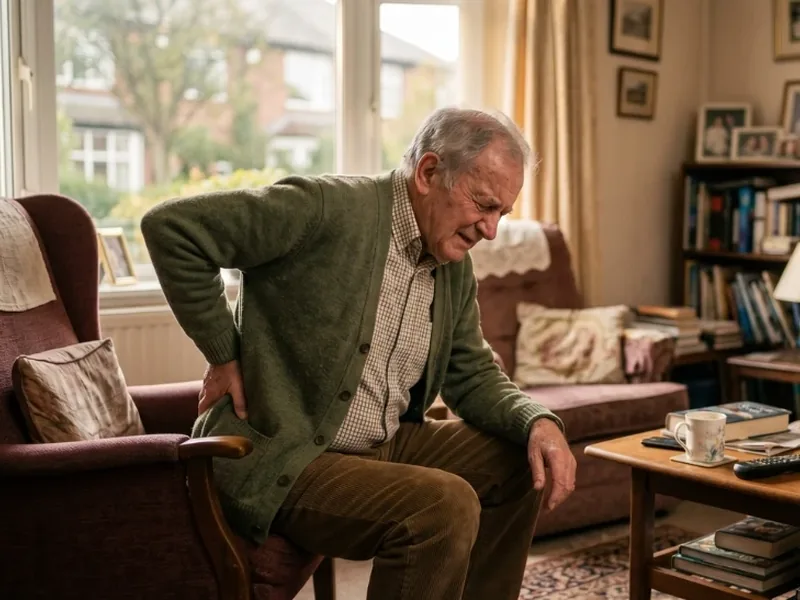
The discs sit between the bones of your spine and work as spacers and shock absorbers. When one bulges or loses height, it can crowd the nerve root running past it, and that pressure is what produces pain, weakness, or a numb patch nowhere near where you feel the ache. Most people notice it most when bending forward, sitting for a long stretch, or getting out of the car. Discs respond well to the right movement and loading, which is why a proper evaluation comes before anyone starts talking about imaging.
Sciatica is a description, not a diagnosis. It is the pain, tingling or numbness that travels from the low back through the buttock and down the leg along the sciatic nerve. That nerve can be irritated by a disc, by a tight muscle pressing on it, or by narrowing inside the spine itself. Three different problems, three different plans. This is exactly why nerve involvement gets assessed directly at your evaluation instead of assumed, because symptoms that travel below the knee deserve more than another week of waiting.
The small joints along your spine are built to glide. When they stiffen, movement gets limited and bending or twisting becomes uncomfortable. You start turning your whole body instead of rotating, or you stop reaching down at all. The stiff segment itself is often quiet at first. What hurts is the tissue beside it doing extra work to cover the difference. Restoring that glide with hands-on treatment is usually the quickest way to change how the back feels.
Tension in the muscles of the low back, hips and buttock restricts movement and causes pain in its own right. Some of that tightness is protective, the body bracing around a sore area so you stop provoking it. Some of it is simply the result of hours in the same position. Either way, a tight muscle that crosses the hip or sits over the sciatic nerve changes how you walk and how your spine shares load. It responds to hands-on work and graded movement, not to stretching harder.
Your spine depends on the muscles of the abdomen, back and pelvis to support nearly every movement you make. When those muscles are weak or out of balance, the low back absorbs forces it was never meant to carry on its own, and persistent lower back discomfort follows. It is one of the most common findings we see, and one of the most fixable. Rebuilding coordinated strength through the trunk and hips takes pressure off the structures that keep flaring up.
Prolonged sitting, poor posture and improper movement patterns all increase strain on the spine. It is rarely one dramatic moment that creates the pain. It is a few thousand quiet hours in the same chair, and then one bend that finally tips it over. Sustained sitting loads the discs, shortens the hip flexors and lets the postural muscles go quiet. Changing how you sit, how often you get up, and how you lift is a bigger lever than any single stretch.
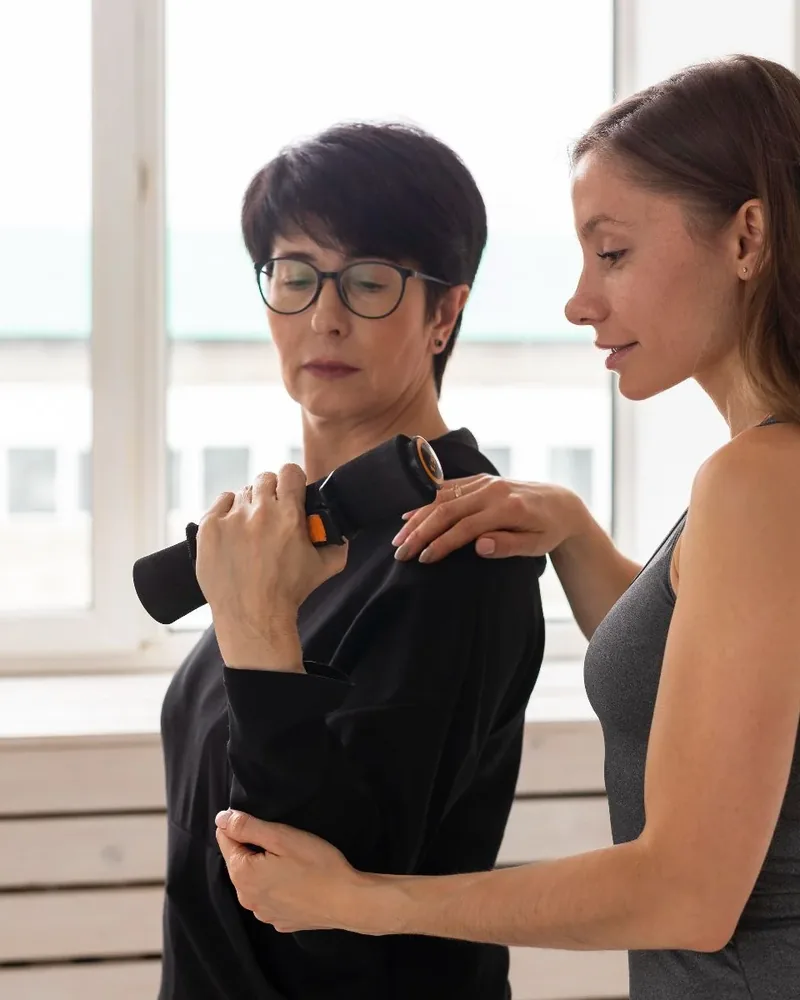
How physical therapy in Tennessee helps.
Back pain and nerve symptoms rarely improve on their own. Some of it eases for a while, but without addressing the cause the problem tends to come back, and the cost of waiting adds up: more pain and stiffness, less activity, a greater risk of falls or compensation injuries, and long-term limits on daily function. Your care starts with a one on one evaluation. We assess movement, nerve involvement, posture, walking and strength, so we know which structure is driving your pain before anything gets treated.
From there we combine hands-on techniques for stiffness, targeted exercises for the muscles that support your spine, and movement training that keeps the strain from rebuilding. You get guidance for moving safely at home, not just in the clinic. Sessions run 30 to 60 minutes one on one, and a typical plan is 2 to 3 visits a week for 4 to 6 weeks, with most people noticing a change within a few weeks. Tennessee has direct access, so no referral is needed for up to 90 days, and we verify your insurance benefits before you start.
What to expect from your recovery.
One on one evaluation
Your first visit is a full hands-on assessment. We check movement and flexibility, test for nerve involvement, look at your posture and walking pattern, and measure strength and stability. You leave with a clear explanation of what is driving your symptoms and an honest timeline for what recovery should look like.
Hands-on relief and movement
Next we go after the pain and the stiffness. Hands-on techniques restore movement in the stiff segments, ease the muscle tension built up around them, and settle the irritated nerve. Every technique has a reason behind it, and your therapist will tell you what that reason is.
Strengthening and prevention
As symptoms settle, we rebuild. Targeted exercises strengthen and support the spine, and postural and movement training stops the strain from returning. You leave with guidance for daily activities at home, which is the part that keeps this from finding you again next year.
This is the absolute best physical therapy that I've ever been to. I highly recommend if you have any pain, make an appointment Alyssa is the best, they are all good.
Pain rarely travels alone.
Hip & Knee Pain
Hips and knees that stop sharing load well push the extra work straight into your low back.

Joint Pain
Stiff, aching joints that quietly decide how far you walk and how long you can stand.

Neck Pain
Tension at the top of the spine follows the same rules as tension at the bottom of it.