Manual Therapy in Tennessee
Stiffness is not a character flaw and it is not simply your age. Joints and soft tissue lock down for real reasons. Skilled hands can find the restriction and give the movement back.
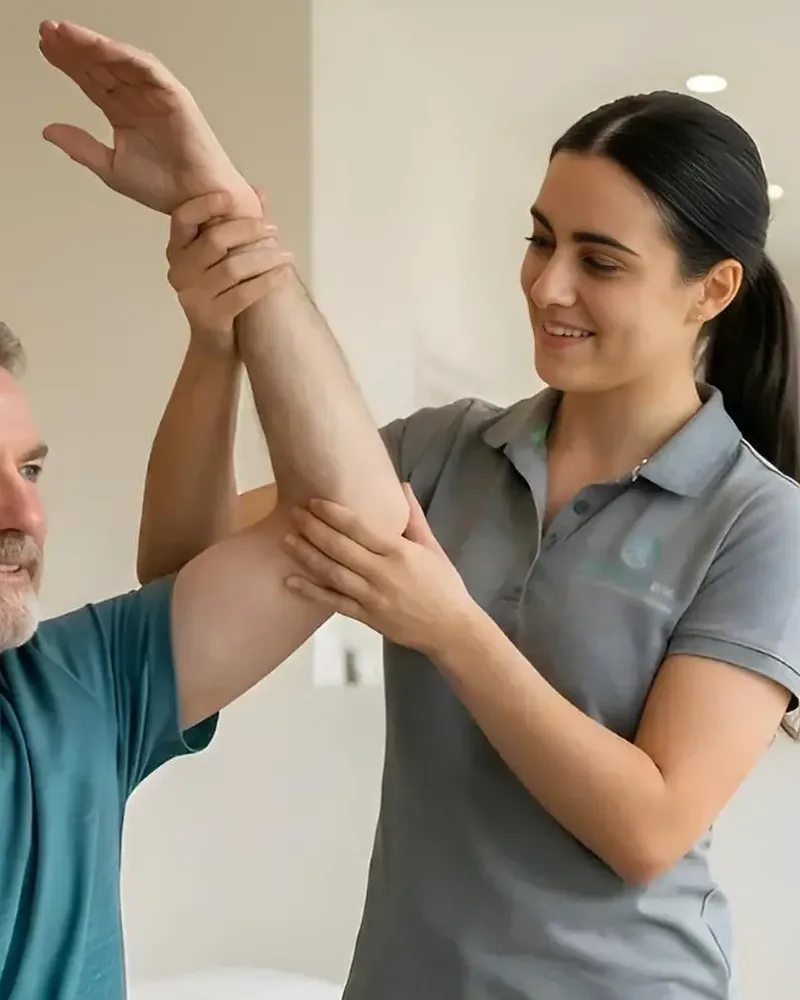
What is manual therapy?
Manual therapy is skilled, hands-on treatment used to change how a joint or a piece of soft tissue moves. Your therapist uses their hands to locate the restriction, then works it directly with a technique chosen for that specific problem: joint mobilization to free a stiff joint capsule, soft tissue and myofascial techniques to bring muscle tension down, manual stretching to lengthen tissue safely, manual traction to take pressure off a compressed joint or an irritated nerve, and neuromuscular re-education to teach the muscle a better way to fire once it finally can. It works because stiffness is rarely one thing. A shoulder that will not reach overhead may have a tight capsule, a guarded rotator cuff, and a movement habit built over months to avoid pain, and each of those needs a different answer. Terri Donahue, a licensed physical therapist at our Paris clinic, is trained in myofascial release and soft tissue mobilization.
Manual therapy here is never the whole plan. Plenty of clinics use hands-on work as the treatment. We use it as the door opener. Freeing a joint buys a window in which you can actually load it, so every hands-on session is paired with targeted exercise, balance training, and the functional movement that makes the gain last past Friday. It is also not a massage. Massage is for relaxation. This is a clinical treatment aimed at a named restriction, adjusted to your comfort level and your medical history, and your therapist will tell you what they found and why they picked the technique they used. Sessions run 30 to 60 minutes, one on one, every visit. Tennessee direct access means you can start without a physician's prescription for up to 90 days, and we verify your insurance benefits before your first appointment.
Who manual therapy is for in Tennessee.
If you are stiff, sore or stuck, and stretching at home stopped changing anything a while ago, an evaluation is worth the hour. Most of the people we treat are past 65 and care more about keeping their independence than about a tidy x-ray.
Joints that quit partway
The shoulder stops at the second shelf. The neck turns far enough for a nod and not far enough to check the blind spot backing out of the driveway. Joint mobilization works the capsule itself, which is the part a stretch never reaches. The goal we write down is the reach you actually need at home.
Muscle and fascia that will not let go
You stretch the same calf or hip every morning and it is tight again by lunch. Soft tissue and myofascial work changes the tissue directly rather than asking it politely. Once the tension drops, the strengthening you have been doing finally has somewhere to go, and standing up from a low chair stops being a two-hand job.
Neck and back pain with nerve symptoms
Pain that runs down a leg or an arm, or a back that seizes when you bend to the dishwasher. Manual traction takes pressure off the compressed structure, and neuromuscular re-education retrains the muscles that have been guarding around it. Most people are chasing one thing here: sleeping through the night again.
What to expect in a session.
Nothing here is done to you without an explanation first. Wear something loose you can move in, and here is how the visit goes.
Find the restriction
Your therapist asks what you cannot do anymore, then tests it: range of motion joint by joint, strength, and how the tissue feels under their hands. By the end of that first block you will know which structure is holding you back and why. Guessing is what makes hands-on work feel random, so we do not guess.
The hands-on work
Joint mobilization, soft tissue and myofascial techniques, manual stretching or manual traction, chosen for what the assessment found. It should feel firm and specific, not sharp. Your therapist checks in as they go and changes pressure or position based on your answer, because comfort level is part of the treatment, not a courtesy.
Use it, then keep it
The moment a joint moves better, you use it: guided movement, strengthening in the new range, and balance work if standing is part of the problem. Then a short home program. Typical plans run two to three visits a week for four to six weeks, and most people feel a change inside the first few.
Tell your therapist about osteoporosis, a recent fracture, a joint replacement, or blood thinners, so the techniques are chosen to suit you. Mild achiness for a day after hands-on work is normal as tissue adapts. Sharp pain or soreness that lingers is not, so call the clinic and we will adjust the plan.
This is the absolute best physical therapy that I've ever been to. I highly recommend if you have any pain, make an appointment Alyssa is the best, they are all good.
Where to go next.

Physical Therapy
The full plan that hands-on work belongs inside, from the evaluation through the home program.
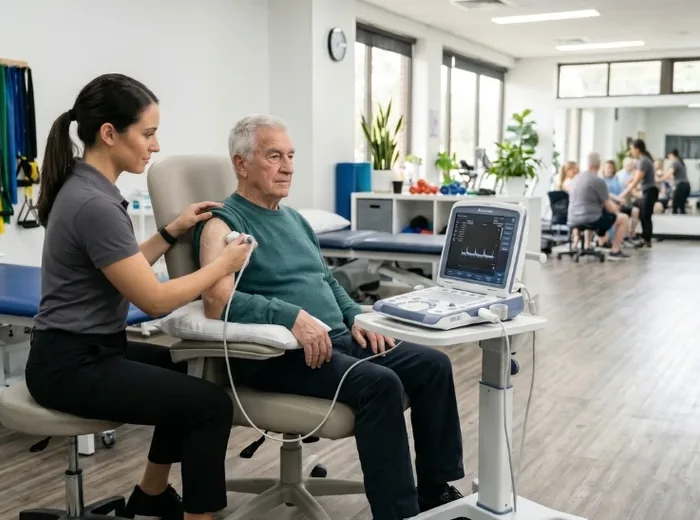
Ultrasound Therapy
Sound wave treatment used alongside hands-on care when an area needs settling before it will move.
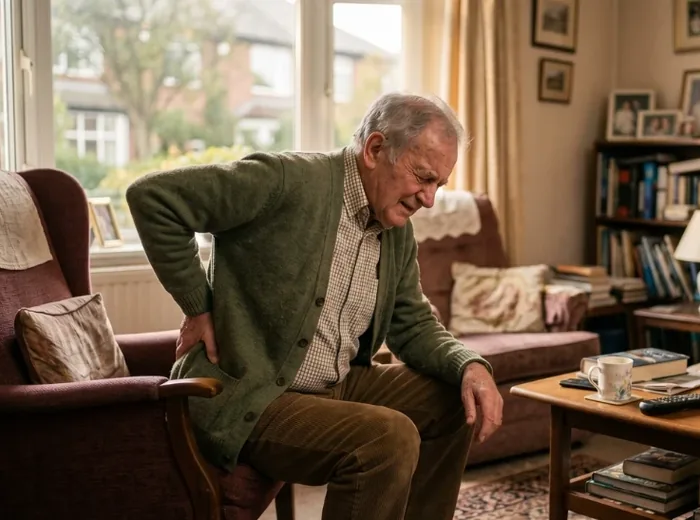
Back Pain & Sciatica
The most common reason people find us. We treat the cause of the pain, not just the symptom.