Geriatric Physical Therapy in Tennessee
You were told the weakness is just what happens after seventy, and to be careful. Being careful is not a plan. We find what is actually weak, stiff or unsteady, then rebuild it so you keep your car keys, your house and your independence.
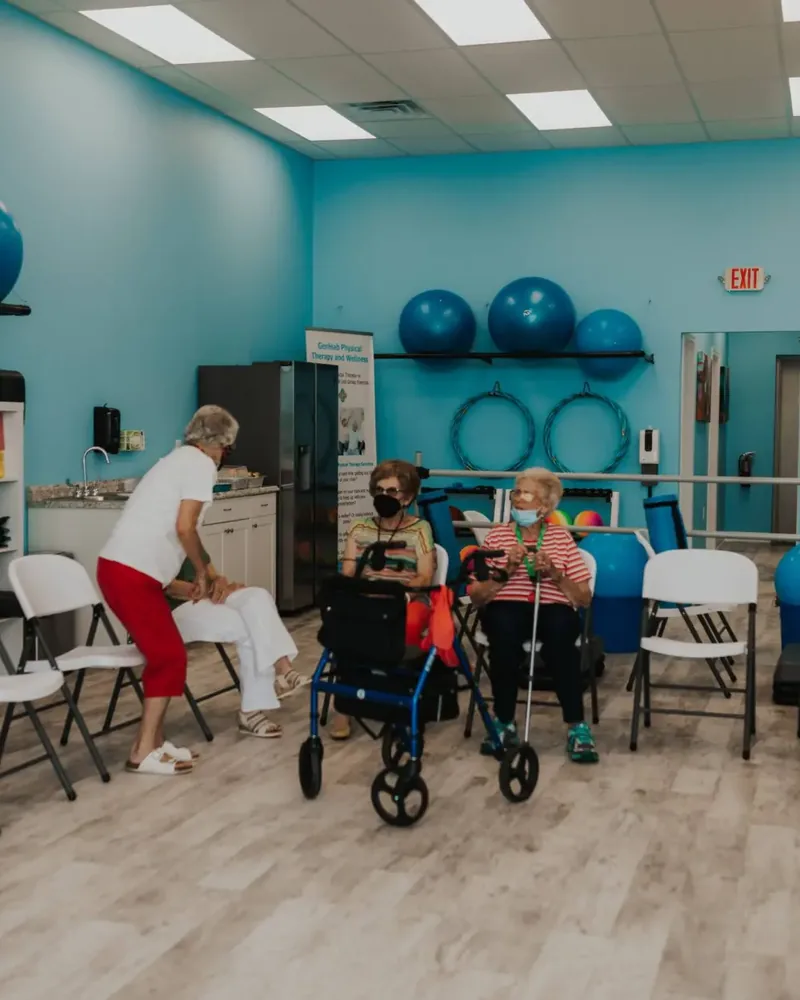
What is geriatric physical therapy?
Geriatric physical therapy is physical therapy built around what actually changes in an older body. Muscle is lost faster than most people expect, especially after an illness. The balance system slows down. Joints stiffen, walking gets shorter and more cautious, and a week in a hospital bed can cost you strength that took a year to build. The exercises are not exotic. The difference is in the dosing, the pacing, and what gets treated first. Your therapist assesses strength and flexibility, balance and coordination, how you walk, how you get up out of a chair, where you are at risk inside your own house, and what you are trying to hold on to. The plan comes from those answers, and it changes as you do.
This is not a sports clinic that also sees seniors. It is a senior-focused practice, and care follows four phases in a fixed order. Pain first, so you can move enough to be assessed honestly. Prime, to restore range of motion and the muscle activation the pain switched off. Perform, to build the strength that stairs, laundry and getting up off the floor demand. Prevent, so progress does not stop the week you start feeling better. Dr. Michael Chua is a Doctor of Physical Therapy and a Certified Dementia Practitioner, which matters when memory changes are part of the picture. In Tennessee you can begin without a prescription: direct access allows evaluation and treatment by a licensed physical therapist for up to 90 days, and we verify your insurance benefits before your first visit.
Who geriatric therapy in Tennessee helps.
Aging is not the diagnosis, and "be careful" is not a treatment plan. These are the situations we see most often across our five West Tennessee clinics.
Home from the hospital and weaker than before
An illness, a fracture or a joint replacement kept you in bed for a week, and you came home unable to do what you did the month before. We rebuild strength in the order the body regains it, so dressing, cooking and stairs stop requiring a family member on standby.
Unsteady, and quietly giving things up
You stopped going to the grocery store alone, or you touch the furniture on the way to the bathroom. We train balance, walking mechanics and reaction time until your world gets bigger again instead of smaller, and the family stops hovering.
Living with Parkinson's, a stroke or dementia
Neurological conditions change how movement is produced, not just how strong you are. Terri Donahue, a licensed physical therapist in Paris, is LSVT BIG certified, a Parkinson's protocol also used after stroke. Dr. Chua is a Certified Dementia Practitioner. Care is built for the diagnosis.
What to expect in a session.
Every visit is one on one, and nobody hands you off to an aide halfway through. Here is how care runs from the evaluation to the day the plan is yours to keep.
An evaluation, not a form
Your first visit is 30 to 60 minutes with your therapist. Strength and flexibility get measured, balance and coordination get tested, and you are watched walking and rising from a chair. Fall risk and safety at home are covered, along with your health history and what you want to be able to do again.
Treatment paced to you
A typical plan is two to three visits a week for four to six weeks. Hands-on work for stiff joints, strengthening for the muscles that daily tasks depend on, balance and functional training, and practice on the movements themselves: transfers, stairs, turning, carrying a bag from the car to the kitchen.
Keeping what you built
Progress does not have to stop when you feel better. As you improve, the plan moves into maintenance: a short home program you will realistically do, and periodic check-ins so one bad month does not undo six good weeks. Most people notice a change within the first few weeks.
Wear loose clothing you can move in and the shoes you walk in every day, not a new pair. Bring a list of everything you take, any imaging reports or notes from your physician, and your cane or walker if you use one. We want to see you use the equipment you already own.
I had a great experience with Gerihab Physical Therapy. The team is incredibly knowledgeable, patient, and genuinely cares about helping each person improve their quality of life.
Where to go next.
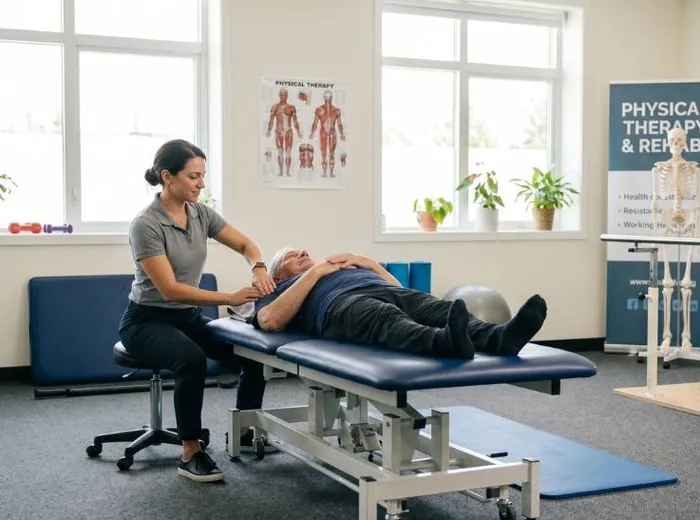
Manual Therapy
Hands-on joint and soft tissue work for the stiffness that will not loosen up on its own at home.

Fall Prevention
Balance, strength and home hazards addressed together, before a fall is what starts the conversation.
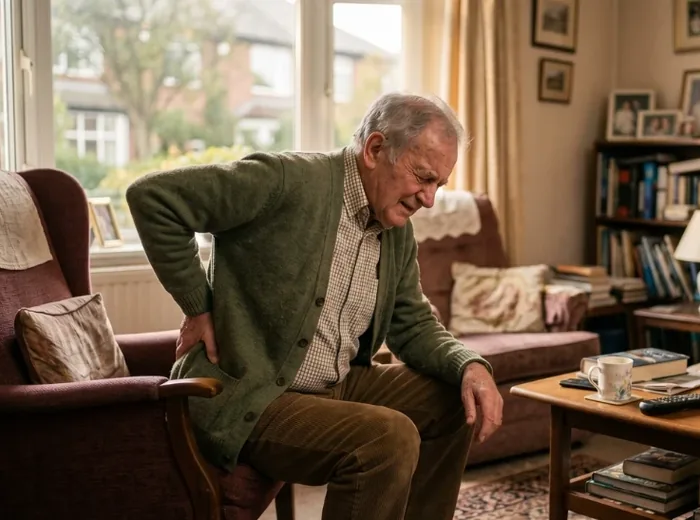
Arthritis
Stiff, aching joints treated with graded movement and loading, so the joint tolerates more, not less.