Fall Prevention in Tennessee
One fall, or one near miss, and the world starts shrinking. That caution is rational, not fragile. Fall risk is built from things that can be measured and changed, and we would much rather do that work before the fall than after it.
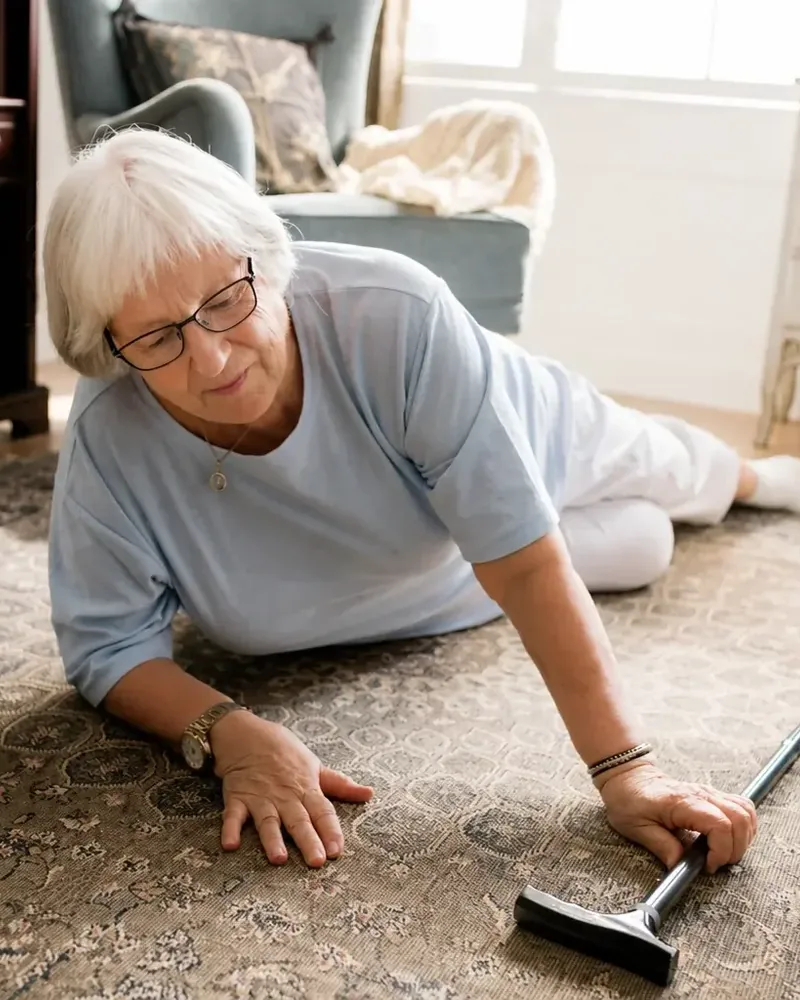
What is fall prevention?
Fall prevention is a structured program that identifies the specific reasons you are at risk and removes them one at a time. Risk is almost never a single thing. Part of it is physical: balance and coordination deficits, muscle weakness and reduced mobility, postural changes and an altered walking pattern. Part of it is environmental: trip hazards, poor lighting, an unsafe layout, a bathroom that asks more of you than it used to. And part of it is medical and lifestyle: medication side effects that affect balance, vision or hearing limitations, and chronic conditions that change how you move. Fix one and the needle moves a little. Address all three together and the risk drops in a way you can feel.
Most programs wait for the fall. Falls are one of the leading causes of injury and lost independence for older adults, and what follows, hospitalization, reduced mobility, long-term complications, is far harder to reverse than to prevent. So the work starts early: balance training for stability and coordination, strengthening for safe movement, gait and walking training for control and confidence, functional training for standing, turning and getting through tight spaces, plus home safety recommendations you can act on this week. Our four phases, pain, prime, perform and prevent, keep the plan running past the point where you start feeling better. In Tennessee you do not need a physician's prescription to begin, and we verify your insurance benefits before your first visit.
Who fall prevention in Tennessee helps.
This is not only for people who have already gone down. If any of the following sounds like your last few months, an evaluation is the cheapest thing you can do about it.
You have already had a fall
Once you have gone down, the second fall is the one to worry about, and confidence takes a hit that strength alone does not repair. We work on the reason it happened and on getting back up off the floor, so the memory stops making your decisions for you.
You have not fallen, but you catch yourself
The stumbles are getting more frequent and you have started using the furniture as handrails. We treat that as the early warning it is and train balance, strength and walking now, while the fix takes weeks instead of months.
Your family has started worrying
Your daughter noticed the bruise, or that you stopped using the stairs and stopped mentioning it. We assess honestly, go through home hazards and medication effects with you, and give the family something concrete to do besides hover.
What to expect in a session.
Prevention here is not a lecture about being careful. It gets trained, measured and progressed, one on one, like any other therapy.
Your risk evaluation
The first visit is a one on one evaluation of your current abilities, your risks and your goals. Your therapist tests balance, strength and walking, watches how you get out of a chair, and works through the medical and lifestyle side too: what you take, how you see and hear, and which rooms of your house make you nervous.
Training aimed at your risks
Sessions run 30 to 60 minutes, typically two to three times a week. Balance training for stability and coordination, strengthening to support safe movement, gait training for control and confidence, and functional work on standing, turning and navigating tight spaces. Each session is adjusted as you improve.
Home changes and long-term prevention
You leave with home safety recommendations you can act on room by room, plus a home program to keep. Many patients report feeling stronger and steadier within the first few weeks. After discharge, the maintenance program is there so the strength and the steadiness do not quietly drift back.
Bring a current list of everything you take, including over the counter medicines and supplements, because side effects that affect balance are part of what we look at. Mention any recent change in your vision or hearing, and wear the shoes you actually wear around the house.
When I started therapy I was in so much pain all over my body after 3 weeks it's just unbelievable how much better I feel and can walk sometimes without my cane n rollator.
Where to go next.
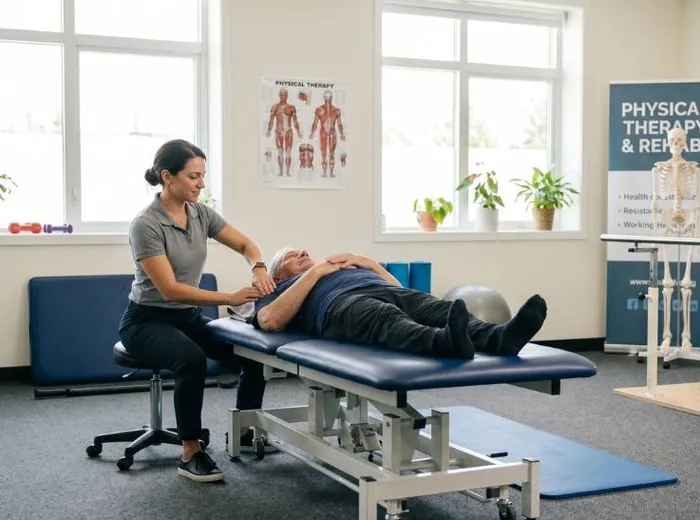
Geriatric Physical Therapy
Senior-focused care for the strength and mobility that got harder after an illness or a hospital stay.

Balance Therapy
Direct training for the systems that keep you upright: strength, coordination, walking and reaction time.
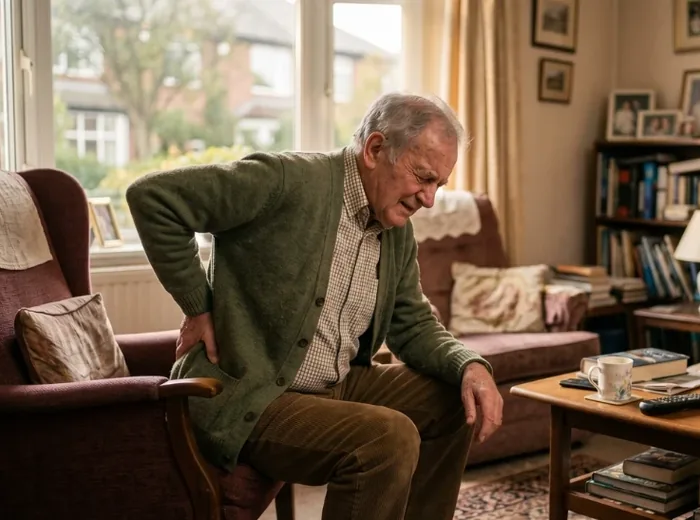
Arthritis
Stiff, painful joints are a quiet fall risk. Treated with graded movement rather than more rest.