Physical Therapy in Tennessee
You were told the stiffness is just your age and to take it easy. It is not just your age, and taking it easy is usually what made it worse. We find the reason your body stopped moving well, then rebuild it, one on one, at your pace.

What is physical therapy?
Physical therapy treats movement problems by retraining movement itself. Your therapist watches how you stand up, walk, reach and turn, then works out which joint has stiffened, which muscle stopped firing, and which habit your body picked up to get around the pain. Treatment follows from that: hands-on manual therapy to free the joint or tissue that will not move, then loaded exercise so the muscles around it can hold the range you just got back. The strengthening is the part most people skip, and it is the part that lasts. Education runs alongside it, because knowing how to lift, turn and pace yourself is what keeps the problem from coming back next season.
Most clinics hand you a sheet of exercises and a heating pad. Here the plan runs through four phases in the same order every time. Pain, so you can move enough to be assessed honestly. Prime, to restore range of motion and muscle activation. Perform, to build the strength that stairs, groceries and getting off the floor actually require. Prevent, so the gains hold after discharge. Every visit is 30 to 60 minutes one on one with your therapist, and the plan changes as your body changes. In Tennessee you do not need a physician's prescription to begin: direct access lets a licensed physical therapist evaluate and treat you for up to 90 days. Most plans cover some or all of the cost, and we verify your benefits before the first visit. Most people notice a change within the first few weeks on a typical schedule of two to three visits a week for four to six weeks.
Who physical therapy in Tennessee helps.
Physical therapy is not only for people fresh out of surgery. If you have started planning your day around what hurts, or around what you are no longer sure you can do, an evaluation is worth an hour.
Recovering from a joint replacement or a fracture
You are home from the hospital, the knee bends about halfway, and the stairs are still a two handed job. We restore the range first, then load the leg until stairs stop being an event and you can get in and out of the car without planning it.
Losing strength and not sure why
Nothing dramatic happened. You just cannot get out of a low chair without pushing off the arms, and the groceries feel heavier than they did last year. We test what is actually weak, then train it until standing up is one motion again.
Living with pain that keeps coming back
Arthritis, an old back injury, a shoulder that flares every few months. We look for what keeps setting it off, treat the joint and the tissue around it, and send you home with the specific work that keeps the next flare from landing.
What to expect in a session.
No conveyor belt, no shared attention, no visit that could have been a phone call. Here is how care runs from the evaluation to the day you are discharged.
The evaluation
Your first visit is a full one on one evaluation. Your therapist measures strength and flexibility, checks balance and coordination, watches you walk and rise from a chair, and goes through fall risk and safety at home. Then you talk about what you actually want back, and the plan gets built around that answer.
A treatment visit
A typical session runs 30 to 60 minutes with the same therapist who evaluated you. Hands-on manual therapy for the joints and tissue that will not move, therapeutic exercise for strength and flexibility, balance and gait training, and functional practice on the real thing: stairs, transfers, getting up off the floor.
The plan that goes home with you
Two to three visits a week for four to six weeks is a typical course. You leave each visit with a short home program, and your therapist adjusts it as you improve instead of handing you a fixed printout. When you are discharged, the maintenance program keeps what you built.
Wear loose clothing you can move in and the shoes you actually walk in, and arrive about ten minutes early so paperwork is done before treatment starts. Bring any imaging reports or notes from your physician, and a list of what you currently take.
Excellent !!! Everyone is so friendly. I look forward to going every week. Treatment is really helping me to get back to normal.
Where to go next.
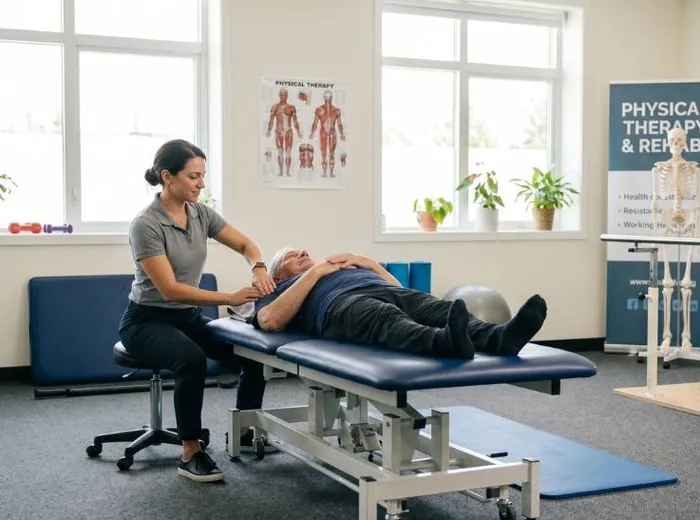
Manual Therapy
Hands-on work on the joints and soft tissue that will not move, used to open the door for the strengthening.

Personal Training
Where people go after discharge to keep the strength they built, guided by someone who knows the history.
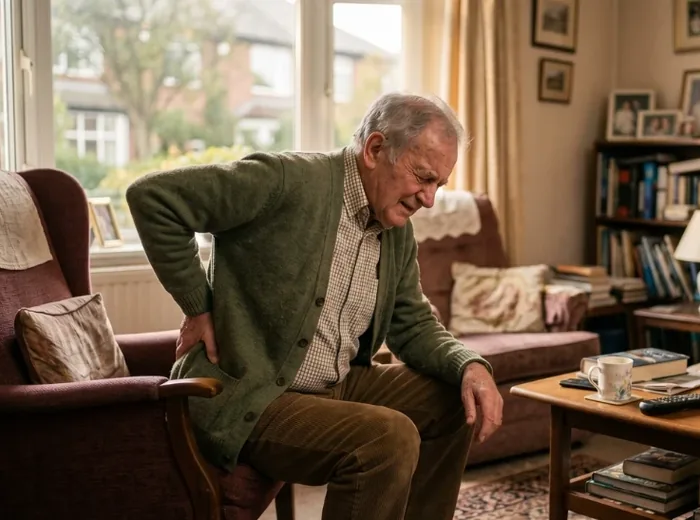
Back Pain & Sciatica
Low back pain and the leg pain that travels with it, treated at the source instead of managed with rest.