Vestibular Therapy in Tennessee
The room spins when you roll over, the floor tilts when you turn your head, and your bloodwork came back fine. Dizziness is a real problem in a real system, and that system can be retrained. It often responds faster than people expect.

What is vestibular therapy?
Your vestibular system is the connection between the inner ear and the brain, and it is what tells you which way is up when your eyes and your feet disagree. When it stops reporting accurately, you get dizziness or spinning sensations, unsteadiness while walking, trouble focusing while your head is moving, and a real increase in fall risk. Vestibular therapy retrains that system rather than masking the symptom. When crystals have shifted inside the inner ear, canalith repositioning techniques move them back where they belong. When the system is under-reporting, gaze stabilization exercises teach the eyes and inner ear to work together again, and gradual exposure exercises lower motion sensitivity by giving the brain controlled practice at exactly what it has been avoiding.
We treat BPPV, vestibular neuritis and labyrinthitis, Ménière's disease, dizziness related to migraines, post-concussion balance problems, and general balance decline with fall risk. Every plan is one on one and built from your symptoms and your triggers, then paired with balance and gait training so steadiness comes back along with the symptom relief. Waiting makes it harder: activity drops, dependence on others grows, and the fear of moving usually outlasts the dizziness itself. Many patients notice improvement within a few weeks, often starting at one to two sessions a week and adjusting from there. In Tennessee you can be evaluated without a physician's prescription for up to 90 days, and we check your insurance benefits before you begin.
Who vestibular therapy in Tennessee helps.
Dizziness is not one condition, and the right treatment depends on which kind you have. These are the patterns we see most often.
The room spins when you move your head
Short, violent spells set off by rolling over, lying back, or looking up usually point to BPPV. Repositioning techniques move the displaced crystals back where they belong, and many people feel the difference in a visit or two rather than a season.
Unsteady since an illness or a head injury
After vestibular neuritis, labyrinthitis or a concussion, the world can feel slightly unreliable for weeks. Gaze stabilization and gradual exposure retrain the system so busy stores, car rides and turning your head stop knocking you sideways.
Dizziness that became a fear of falling
You slowed down, stopped driving after dark, stopped going out alone. We treat the vestibular problem and rebuild balance and walking at the same time, because confidence comes back with capability, not ahead of it.
What to expect in a session.
Sessions are one on one and adjusted to your tolerance, not pushed to hit a schedule. Here is how the course of care runs.
Finding the trigger
The first visit is a one on one evaluation of your balance, your movement and your specific triggers. Your therapist takes you through positions and head movements to see what reproduces the symptom, watches your eyes as you move, and tests walking and stability. What shows up decides the treatment.
Treatment matched to the cause
Depending on the finding, treatment may include canalith repositioning to reduce vertigo, gaze stabilization to steady your visual focus, balance and gait training to cut fall risk, functional movement practice for daily activities, and gradual exposure work to lower motion sensitivity. Each session is adjusted to your tolerance.
Getting your range back
Many people notice improvement within a few weeks, usually starting at one to two sessions a week. As symptoms settle, the work moves to what you stopped doing: bending down, driving, crowded aisles, and walking across a parking lot without scanning the ground the whole way.
Some exercises will briefly stir up the symptom. That is expected, and it is how the system relearns, but everything is carefully progressed so it stays manageable and improvement stays steady. Tell your therapist exactly what you feel and when, and say so before we start anything you already know sets you off.
I am stronger and much more balanced! The people there are kind and very supportive of my needs.
Where to go next.
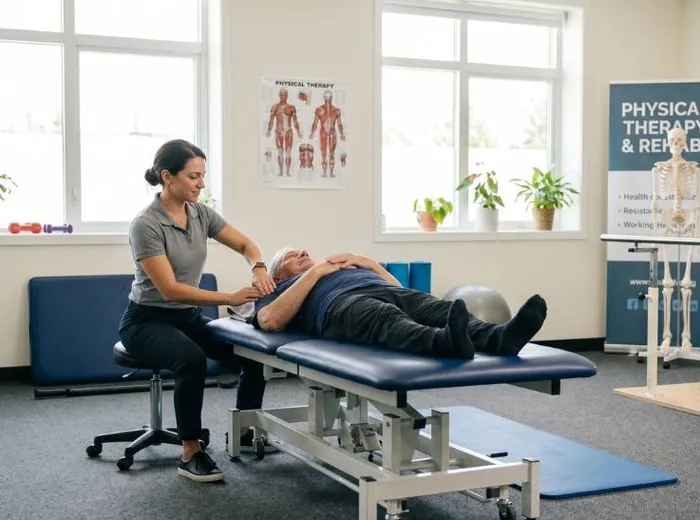
Balance Therapy
Training for the strength, coordination and reaction time that keep you upright when the inner ear is only part of it.

Geriatric Physical Therapy
Senior-focused rehab for the strength and mobility that quietly slipped while you were avoiding movement.
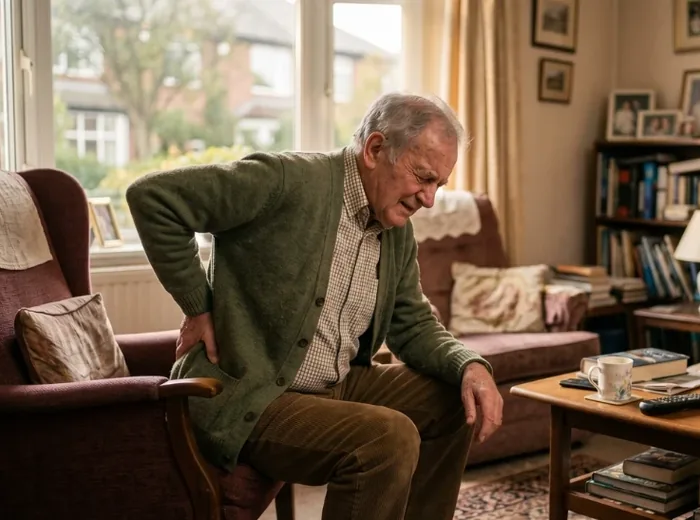
Balance & Gait Disorders
Why walking and balance break down, how the causes get told apart, and what actually restores them.