
Interview with Dr. Ginger Holt
Spotlight Series topic: Healing Beyond the Cut: A Conversation with Dr. Ginger Holt, Orthopedic Oncologist
Guest Name: Dr Ginger Holt
Guest Credentials: Orthopedic Oncologist
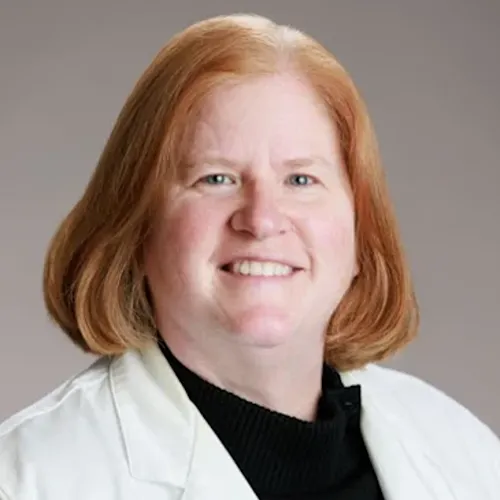
Discussion Details: Healing Beyond the Cut: A Conversation with Dr. Ginger Holt, Orthopedic Oncologist. In this inspiring episode, Dr. Michael Chua sits down with Dr. Ginger Holt, a nationally respected orthopedic oncologist at TriStar Orthopedic Oncology in Nashville, TN. With a career dedicated to treating bone cancer and complex orthopedic conditions in both adults and children, Dr. Holt shares her journey through top-tier training, her patient-centered philosophy, and the emotional resilience it takes to navigate high-stakes surgeries. We also dive into what she values most in physical therapy partnerships and how collaborative care makes a lasting impact on patient outcomes.
Benefit of Watching: Whether you’re a therapist, student, or healthcare professional, this episode is packed with insight, encouragement, and practical wisdom from one of the leading voices in orthopedic surgical oncology.
Address of guest’s business: 1000 Health Park Dr., Ste. 500, Brentwood, TN 37027
Hello everyone, this is Dr. Mike Chua of Physical Therapists. Hey, today we’ve got a special guest for today. Her name is Dr. Ginger Holt.
We’ll be talking about healing beyond the cut. A conversation with Dr. Ginger Holt. We’ll be back in a few seconds.
HelloNote is a truly therapist-friendly practice management solution with integrated EMR that will enhance workflow, efficiency, and patient care. HelloNote reduces errors and allows you to spend more time with your patients. It comes integrated with billing.
Claims are generated once a note is completed. You can bill with one click and a patient portal, which streamlines the patient intake process. Beautifully engineered and cloud-based for easy accessibility, the software works on all platforms.
You can access patient records from anywhere. We also offer 24-7 support. HelloNote is the practice management solution that you’re looking for.
Hello, my Facebook friends, YouTube friends, and uh whatever friends do we have right now. So uh, check out HelloNote.com if you need a documentation system. If you are wanting to start your own private practice, check that out.
We actually use that in our own private practice. And of course, uh, if you need an education unit for, you know, a physical therapist or occupational therapist, check out medbridge.com. Use the code alternative or drmike. Check that out.
You get, I think uh, a 40 percent discount. You know, you make sure to use that code alternative or drmike. And if you can’t find it, just shoot me a message.
I’ll send you the actual link. Okay, so again we’ve got a special guest for today. We are back.
You know we haven’t been doing a lot of videos recently, but we’ve got a special guest for today. Her name is Dr. Ginger Holt. She’s a board-certified orthopedic oncologist.
Listen to this, ladies and gentlemen. We’ve interviewed oncologists. We’ve interviewed orthopedics uh, ortho doctors, but a combination of ortho and onco this is something.
So, uh, Dr. Ginger is known for her expertise in treating bone and soft tissue tumors. She’s not only a gifted surgeon but a compassionate leader in her field. We’re going to be taught about her journey and her approach, uh to patient care and what she looks for uh in her practice and in everything that she does.
So again, without further ado, let’s go ahead and bring in Dr. Ginger Holt. Dr. Ginger, what is going on there? Mike. Well, thank you again, doc.
I know you are a very, very busy person, and uh you run and uh do your own thing there in Nashville. But uh could you please tell us again who you are? Uh what do you do as an orthopedic oncologist and um, where are you from?
Yeah, I was born and raised in Alabama and went to college and medical school at UAB. I then went to Vanderbilt and did uh an orthopedic surgery residency and then went to the University of Toronto to do an orthopedic oncology uh fellowship.
I did a second fellowship in adult reconstruction so hip and knee replacement and pelvic reconstructions, that sort of thing. And then I actually went back to Vanderbilt, where I trained for about 22 years and recently left to come over to Centennial in September of 2024 to start Tristar Orthopedic Oncology.
Wow, wow, I mean, I was like, you mentioned all your time from Alabama, uh to Toronto.
Gosh, I mean, what really go there, right? I mean, is the training there, uh, um, you did your residency there, right? Is that like a specialist? My residency was at Vanderbilt residency was at Vanderbilt and then I went to Toronto for this specialty uh training. Orthopedic oncology as a specialty is the rarest subspecialty in orthopedic surgery. There aren’t a lot.
I was going to ask that. Yeah, there aren’t a lot of orthopedic tumors, and um there are two types of orthopedic tumors. There are types that start in the bone and grow in the bone and then there are ones that come from other places and land in the bone.
And so there at the time I was going out to train there were probably only eight centers in North America where you could really train in this subspecialty and uh Toronto was just one of the biggest uh at the time it was growing and um I thought I would either take one chance to live where it snows a lot and where it’s really cold because I wasn’t gonna live live like that permanently. So one year one and done and then back to the south.
Wow wow, so well I know um like what you said you know it’s very rare that we get to interact with uh I mean of course orthos are you know are amazing and oncologists and then a combination of both like what you said you know an actual uh tumor in the bone I mean uh and then you mentioned that that’s really your specialty.
Let me go to that question here uh what inspired you really to pursue this career in onco orthopedic oncology and how did your diverse training shape the way you are taking care of your patients today? I mean I mean do they go to you?
Okay let’s go to Dr. Holt she’s the expert. Is that really it is?
Yeah um it takes time no matter who you are what you do to build a practice and build relationships and um mostly when a patient is seen they are referred by a physician so people don’t really uh look at their you know for regular orthopedic issues people have knee pain they say I’m going to go see you know an orthopedic doctor who do I like or maybe we have someone in the family that we see and visit and uh and then you kind of refer yourself and go get seen.
We get sent patients by medical oncologists by orthopedic surgeons so people sort of have to know who you are and that you exist in order to send you patients and I really when I was doing my orthopedic surgery residency I really loved the physical aspects of orthopedic surgery and all the challenges of the surgery but I had encountered a couple of orthopedic oncologists and I really appreciated the deeper connection that you get with patients when they’re going through a tough time they’re facing their mortality.
I also take care of children and so working through with families um just a very difficult process of dealing with not only your mortality is this problem that I’m dealing with potentially going to to be fatal could it could it end my life but if I survive am I going how am I going to function and how am I going to be able to deal with um maybe losing a big piece of bone in my leg or what if the I have a cancer that’s really bad and I have to lose my arm and I was very much drawn to the physical challenges and all the challenges that come with orthopedic surgery on a a bigger and bigger scale but also walking through that journey with patients and and now being able to have a team and create a team uh that can do that you know I’m one person and I sort of have my role in what I do but having a solid team that helps uh with the patient and really taking care of the complete patient has become the most important and enjoyable part of my work and what I do.
Oh actually I was going to ask you that doc I mean the the the the aspect of being an orthopedic doctor it’s more like uh more like skeletal and then you got the onco part wherein okay you got this cancer and everything and then for for me as a let’s just say a regular person it’s probably it’s very hard to be an ortho slash onco and then you’re dealing like what you said you know you’re dealing with not just the the the the functional mobility of that person or that patient and also the whole aspect of you know either an actual surgery removal of the limb or like what you said the mortality of that person and you mentioned about the age too you know a young person an older person you know it’s it’s probably different and you mentioned about a team uh how many are you there in your team uh Dr. Holt do you have like?
Uh you of course you’re this you’re a therapist I mean yeah it’s just small but big yeah you know we have uh I have a PA uh so a physician’s assistant who is just critical in helping manage patients when I’m in the operating room and I’m busy and can’t talk to people she’s able to really manage all those problems we have an outstanding uh nurse who answers the phone and getting patients in who have had cancer care and orthopedic care and getting that all coordinated is very complex we have to have a cast tech who also works as a physician assistant and then we have you know a team who helps prep and get the implants ready
we actually for some of these unusual tumors that we remove have to make implants and so we work with a team of engineers through a couple of companies that will make uh three-dimensional models and then from that we’ll make uh either machined or 3d printed implants so if we’re removing sort of part of someone’s pelvis and we have to recreate a pelvis for them we have to have a group and a team that helps do that and then you know there’s the team in the operating room who help assist uh with that sort of stuff uh you know doing all the surgery and making sure all the all the parts are there
you know the physical therapists after the surgery uh are critical uh in helping patients have the confidence to be able to walk or emulate or sit anyone who has had a hip replacement or a shoulder replacement knows that there’s a time where we have to be very very careful as the tissues are healing and so i’m not there 24 hours a day with the patient and someone like a physical therapist who is is giving them the confidence to know that they need to move they can move that getting their strength is is very very important and so i think the team is is more important than i am because they spend so much time with the patient they’re either on the phone helping them understand their medications uh they’re navigating them through the system of understanding their diagnosis and then maybe they’re going to get chemotherapy and radiation and then uh sort of a big surgery or afterwards when they have this brand new fancy implant and they have had this surgery and then they just don’t know what to do and you know motion is life function is life if the whole point of this surgery and what we do is to keep people active and engaging with their families and engaging in life we really have to get them mobile and moving so you can see i’m just one piece of this really big uh team.
That is very very complex and that doesn’t you know count the radiation oncologist the medical oncologist and a lot of the other members of the team that help take care of these patients part of what i
Uh i love how you’re scared go ahead?
yeah well i was going to say part of being an orthopedic oncologist isn’t just always dealing with cancers we also see sort of the disaster problems that um you know a patient who may have had a joint replacement that has failed once or twice or been infected or a patient who’s had a really bad uh trauma or car crash and they’ve had a really big problem and lost a lot of bone
so um this there’s a concept of limb salvage and so i also end up seeing plenty of patients who have never had cancer thankfully but may have lost a large piece of bone due to trauma infection uh or some other issue and so those people end up with me as well trying to use all these uh techniques and the team that we have to to uh sort of recreate a bone or a limb um to give them a functional um limb to use or walk on
Wow well i was going to ask you that good thing you answered so uh first i want to commend the dr holt you know she was talking about her team it’s very important that you have a team that will believe in you and bring out the best in you and that’s what she was doing you know she wasn’t just focusing on herself she was focusing on the rest of the team and just like in our private practice you know if you’re watching and listening right now especially to our team to our clinics uh clinic director and all the therapists there i wouldn’t be able to do this without our team and same thing with dr holt it’s very important that you you know you you encourage and empower your team yourself so uh i also like what dr holt said mentioned about the she’s not only seeing orthopedic uncle she’s seeing other patients who are they don’t know luckily she said no someone don’t have a cancer so same thing in geriatric yes we quote unquote specialize in uh in geriatrics but uh yeah we see workers come too right we see you know um every now and then pediatric cases so but we do have a specialty of geriatrics and same thing with dr holt you know she has this specialization of orthopedic oncology and uh she does she see that of course you know that’s her specialty but she also see other orthopedic cases too uh thank you for pointing that to dr holt um dr holt um since on that same uh uh note you’ve seen a wide range of complex cases what have been some of the most rewarding and challenging moment in your practice and how do you maintain resilience through it all well
I think as you mentioned uh your team the days that you aren’t maybe feeling is great uh your team lifts you up you know they’re the days that you’re feeling more empowered and you have to lift your team up um we also hold each other accountable if we don’t feel like we are doing a good job
i expect any member of my team to you know call me out on it if they think i could have done better with a patient if i could have done better on a surgery um you know having the those team members because they know the truth they know sort of the behind the scenes uh of everything that’s happening so i really rely on the team uh any team member to like i say hold me accountable
we hold each other accountable for doing a great job uh for our patients you know maybe there’s a day where i have less time and the team member has more time and vice versa um i mean some of my favorite patients um i really appreciate the patients who inspire i always tell my patients uh when they they may ask oh how long does it take to recover or you know am i ever going to be able to run again um you know i always tell the patients you know prove me wrong surprise me um you know we we as physicians can only use a lot of our experience we use data we use the literature and things to to sort of give people guidelines as to what they can or can’t do but the patients who come in um he had a patient who had had a tumor in his arm he had a mass in his arm and uh about here in his forearm and we had to do an amputation sort of on the upper part of his forearm above the wrist and he created for himself uh sort of building off of a prosthetic part uh something where he could fish something where he could hunt he had a thing that he could use he had his own little fly tying apparatus that he could use and you know people are amazing and people are so clever and uh i absolutely love seeing what people come up with um you know i always appreciate our young patients who we sort march through their journey and through their life with them and having young women who may have undergone cancer when they were younger uh who in we i see uh graduate from high school go to college uh get a career in nursing you know they maybe want to give back to the field they end up getting married having children uh and and really uh seeing people succeed overcome um it was a big thing for me i was an athlete i was a collegiate athlete like a lot of orthopedic surgeons uh loved sports played basketball in college and had always thought that i would i would do sports medicine as a career and and take care of athletes and when i was a resident and worked with the oncology patients and then went and did sports and worked with the sports patients there was a clear difference to me in who inspired me to want to do better and do bigger and uh and just to make me better and that was very much the the cancer patient or the patient who had a limb deficit that we were trying to restore um it’s just so much more inspiring to me what these people go through and what they face and um i think every day when i leave the hospital i have both my arms i have both my legs i’m healthy uh i’m ahead of the game and anything beyond that is just is extra and so um it’s it’s that patient and and that uh you know that cancer patient that patient who’s gone through a lot who who they have the resilience and and the grit uh and overcome that i just um i love sitting and talking with them or they’ll email me or we send pictures back and forth um so so that’s uh that’s why i get up easily every day and just charge into work uh fully energized because the people we get to take care of are are fantastic and extraordinary well thank you for pointing that out too doc uh i mean i also.
I mean aside from running our outpatient clinic we all i also run and moderate a group called alternative healthcare careers for rehab professional and there are a lot of healthcare professionals are really burned out and i always try to encourage them hey go back to your first love go back why you wanted to do a therapy to be a therapist to be a physician to be a nurse no think about that going back to your first love and then like what you said you know because you see that inspiration you go back to your work charged up and same thing with me you know every time i see a patient or elderly we we all special we specialize in geriatrics doctor and uh every time i see an elderly person or a senior getting up from the floor getting better and stronger recovering from their hip and knee replacement i feel like oh gosh this is why we do it and same thing with dr holt she mentioned about hey this is why we do it you know go back to your first love ladies and gentlemen um dr no dr holt uh let me ask you this last question here’s uh collaboration is the key to patient recovery what qualities do you look for in the people that you refer to your therapy clinic or your pa those recovering from orthopedic cancer surgeries is there a special skills that you’re looking uh for from us from therapists or from your pa’s or from your nursing team or uh home health people or something like that is there a special protocol that you give out.
yeah we um you know most people physical therapists are quite familiar with a hip replacement or a knee replacement and um you know we have to um we have to i always send pictures to the to the therapist i try to give the patient pictures so that people can look at what they’ve had done because when someone says oh they had to take out my femur bone is we’re doing hip replacement well that doesn’t uh that doesn’t at all give the full picture what the half of their femur and replace their femur with a large metal implant and a hip replacement um you know that’s five times the size of what a standard hip replacement is and there’s a constant education uh for the for the patient to let them know that you know you’re going to be next to someone who did truly have a basic hip replacement and you can’t compare yourself uh to what they had or what was done but i think that what we all want uh for ourselves and what we want for our patients is the person uh that goes the extra mile um you know patients who come in to me and say oh my physical therapist you know they they they work with me a few times and they kind of pass me off to someone else it was like they were bored or i’m not sure if they knew what they were doing and i absolutely love it when a physical therapist emails me or calls me and says hey i don’t i don’t understand this this implant or this prosthesis what can i do for this patient and how can i get them better and teach me about this or you know someone
who says hey my therapist and i sat down online together uh and looked at this implant and you know can you tell me the company because we want to look at it further and understand and learn and i think probably some of of what you said about being burned out uh and people who you know you look at your list for the day you look at the patients that you have you look at all the documentation that you have and you know sometimes you you just have to cut back a little bit and be able to spend that time with the patient that energizes you and getting to know the person and talking with them about what they do and what they like to do and then educating yourself about and it’s fun to learn that your patient you know maybe a pickleball player or there’s a new game i’m i’m learning about called pedal or paddle uh that is a combination of um racquetball and pickleball and to learn from people to them about what they’re doing and how they do it and gosh as a physical therapist i mean knowing what people do throughout the day and everything that they do what kind of car do they drive you know you learn so much people uh and so i appreciate the people who are curious who want to learn who who want to get better because that helps other people get better and like i say if you sit and talk with your patient for a little bit man you can learn so much about them and and just about life and how interesting they are and i think when you get that connection it’s more healing for patients you know they know that you care you know something about them when they come back to clinic and you can ask them about about something i mean we all go to the doctor and we know what it’s like to feel like we’re sort of on the conveyor belt getting things done versus when the doctor leans back for a minute and says hey how’s your dog cookie you know last time i you got a new puppy named cookie you know tell me about cookie and can you take cookie for walks you know what can you do um so i like to do that i was i was taught to do that and i love having my team members or people who do that or if i have the choice uh when i have a patient who comes in oh my gosh had this awesome physical therapist i’m like i’m i’m writing the name down and and you know that’s where i want my patients to go is uh is by other people who are energetic inspired and curious and and continually want to learn.
yeah it’s so true there thank you for pointing out that now that uh uh always being interesting not always not being interesting but being interested you know because we all are interesting already we got all the titles and degrees behind your names but if you become interested enough with your patients oh gosh those patients will be your fans forever ladies and gentlemen so uh that’s what dr hole is talk about you know be interested in your patients and then you’ll learn a lot more you know just like what she was talking about you know she was talking about hey how’s your your dog cookie you know stuff like that simple go ahead and write it down you can put that on the emr on your electronic medical record you know put it down there you know stuff that the patient is interested because that could be actually your functional goals if the patient wants to walk the dog you know patient will walk x amount of feet while not being pulled by their dog you know because they need upper body strength too right doc so again uh dr hope thank you very much i know you’re a very busy person um you know thank you for your time i appreciate you uh last question where can we find you uh is there a best number or website that they can reach you i know i can post uh hope’s information but uh you know those little stuff like that and last encouragement
yeah if uh if we can be of help i’m at tri-star orthopedic oncology if you either uh just go to the internet google tri-star orthopedic oncology or uh ginger holt uh md uh my the website for tri-star orthopedic oncology comes up i’m at centennial hospital in the heart of nashville uh we have uh easy access valet parking uh i see a ton of patients with osteoporosis uh and and again sometimes people who have bone problems uh that are very difficult to manage for orthopedic surgeons uh when there’s osteoporosis thin bones or bone loss you know we totally handle that so again it doesn’t just have to be cancer but we’re centennial hospital find us on the internet uh or call mike uh if you can’t find us and uh he will he’ll get you in contact and mike thanks so much for having me today this has been this is so much fun thank you.
Well thanks again dr ho i appreciate you i would love for this to be like uh i know this is like an intro uh show or podcast for us but i would love to dive in you know in the next few you know i’ll reach out to hope you know hey what is this specific condition that you really wanted to talk about hey hip uh replacement or you know a vascular necrosis what is a vascular necrosis stuff like that you know what is this specific equipment or you know because we just want to put up education for our patients i don’t you know i mean i hope i make money for my or the youtube i we don’t have you know millions of views i make like probably very very little on our youtube but the goal is for me to educate our patients you know uh you know give up this valuable information to them so again thank you very much uh dr ho appreciate you but before i let you go ladies and gentlemen always remember the word fast f-a-s-t letter f find people the letter f is find people that will bring out the best in you because you are the average of the five people you hang out with so today hang out with dr ho i feel like you know i want to read more on my uh not just ortho i mean i i can probably you know uh talk about ortho a little bit onco it’s like oh what are those type of cancers so find those people that will bring out the best in you even when you have orthopedic issue or onco issues or cancer issues find the best you know find those best ortho onco in your area next letter is letter a take action all this stuff that we’re doing it’s not going to do because they’re even going to do dr hope good if you don’t take action take action go to their website you know sign up to their uh email list i’m sure they have that email list you know just talk to them hey what can i do talk to your primary care physician hey could you refer me to a tri-star med group next is letter s you know shoot for the moon why if you keep shooting for the moon you’re gonna miss it but you’re gonna be landing with the stars and last but not the least is letter t’s teach it why because when here you forget when you see it you remember but when you’re actually teaching it and that’s what dr hold is doing you know she’s not just doing surgery all day long she’s teaching you too guys you know she’s gonna teach you when you go go there you know how to do this how to do that and everything again thank you very much be awesome be great be excellent uh any last parting wisdom dr hope.
uh stay safe stay positive all right well again
thank you very much be awesome be great thanks and we’ll see in the next episode hello is a truly therapist friendly practice management solution with integrated emr that will enhance workflow efficiency and patient care hello note reduces error and allows you to spend more time with your patients it comes integrated with billing claims are generated once a note is completed you can bill with one click and a patient portal which streamlines