Arthritis Treatment in Tennessee
You have probably been told it is just arthritis, just age, just something to live with. Stiff hands in the morning, a knee that argues with the stairs, a hip that decides how far you walk. That is real, it is not in your head, and it is not the end of the story.
What causes arthritis?
Arthritis affects each person differently, and that is exactly why a generic sheet of exercises rarely changes anything. Some arthritis comes from cartilage thinning over decades of use. Some comes from inflammation the immune system is driving. What matters for your treatment is which type you have, which joints it has reached, and how the stiffness and swelling are changing the way you walk, stand and get through an ordinary day.
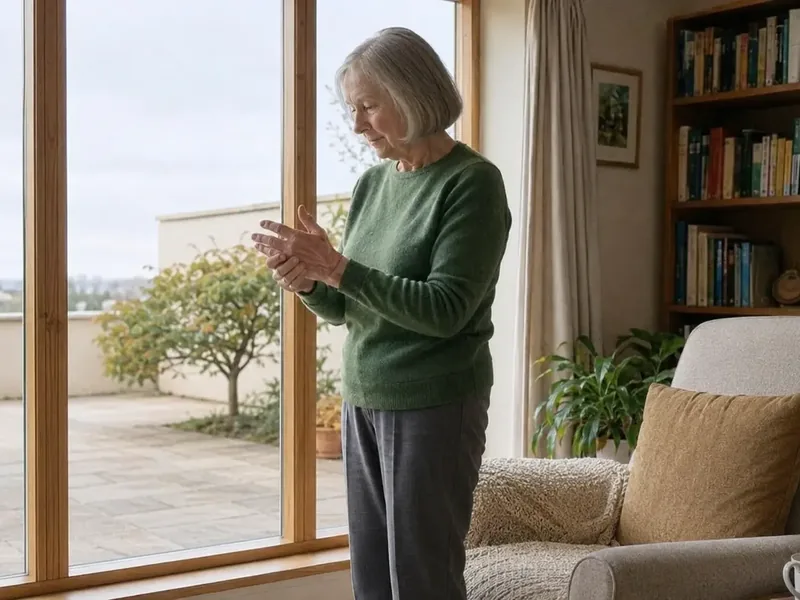
Osteoarthritis is the pattern most people mean when they say arthritis. The cartilage that cushions a joint thins over years of use, and the joint gets stiff and loses mobility. It builds so slowly that most people adapt around it without noticing how much they have quietly given up. Cartilage does not grow back. The muscles around the joint can absolutely get stronger, and stronger muscles carry load the cartilage no longer has to. That is why treatment here builds the strength and movement that take strain off the joint.
Rheumatoid arthritis is a different problem with a similar name. Here the immune system drives ongoing inflammation that affects how the joint functions, often in the hands and often on both sides of the body. The medical side of that belongs with your physician. What therapy adds is the movement side: holding on to range of motion, maintaining strength around inflamed joints, and pacing activity so a flare does not cost you weeks of function. Treatment focuses on managing symptoms and maintaining mobility.
Psoriatic arthritis causes joint pain and swelling that affects daily movement, often in the fingers, knees and spine. Swelling makes grip, kneeling and stairs harder than they should. Therapy works on flexibility and comfort: keeping joints moving through the range you have, easing the discomfort swelling creates, and finding ways to do the same tasks with less irritation to the joint.
A fracture, a bad sprain, a knee that was operated on years ago. Previous injuries are one of the most common contributors to arthritis symptoms later in life. The joint healed, but it healed with less stability, less range, or a muscle that never fully switched back on. Decades of walking on a joint that is not tracking well wear one surface faster than the rest. Rebuilding the strength and mechanics the original injury took away is often the piece nobody ever got around to.
When a joint hurts, you use it less. That is a reasonable response, and it makes the arthritis worse. The muscles around an unused joint weaken within weeks, the joint stiffens further, and the range you have left shrinks. Then ordinary activities start to hurt, because the joint is no longer conditioned for them. Reduced activity is a known trigger of arthritis symptoms for exactly this reason. Graded, guided movement is what breaks the cycle, and it is safer than most people fear once someone is watching how you do it.
How you stand, how you carry the groceries, how you push up out of a low chair. Posture and everyday movement patterns place ongoing stress on specific joints, and over years that stress is never shared evenly. One knee takes more than the other. Part of your evaluation is reviewing the daily habits that may be contributing to joint stress, so we can change the mechanics instead of only treating the joint that hurts.

How physical therapy in Tennessee helps.
Most clinics hand you a photocopied sheet of exercises and a heating pad. We watch you stand up out of a chair first. Your care starts with a detailed one on one evaluation: posture and movement patterns, where the joint is stiff and how far it will go, what strength is missing around it, how you walk and balance, and which daily habits are loading the joint. From there the work is hands-on techniques for joint mobility, targeted exercises for the muscles around the joint, and movement training that takes stress off it instead of adding to it.
You also get practical guidance on staying active, because giving activity up is what makes arthritis worse. Sessions run 30 to 60 minutes one on one, and a typical plan is 2 to 3 visits a week for 4 to 6 weeks, with most people noticing a change within a few weeks. Tennessee has direct access, so you can be treated for up to 90 days without a prescription. Most plans cover some or all of the cost, and we verify your insurance benefits before you start.
What to expect from your recovery.
Evaluation and a plan you understand
Your first visit is one on one. We assess posture and movement, find where the joint is stiff and where the strength is missing, watch how you walk and balance, and review the daily habits loading the joint. You leave knowing what is driving your symptoms and what the plan does about it.
Hands-on work and restoring motion
Early sessions use hands-on techniques to improve joint mobility and reduce stiffness, paired with gentle targeted movement. The aim at this stage is a joint that moves further with less complaint, so the strengthening that comes next is something your body can actually tolerate rather than dread.
Strength that protects the joint
As the joint moves better we build the muscles around it, because those muscles carry the load the cartilage no longer can. You finish with a home program and clear guidance on staying active while protecting your joints, so the progress holds after your last visit instead of fading.
When I started therapy I was in so much pain all over my body after 3 weeks it's just unbelievable how much better I feel and can walk sometimes without my cane n rollator.
Pain rarely travels alone.

Joint Pain
Aching, stiff joints that make stairs and standing up out of a chair harder than they should be.
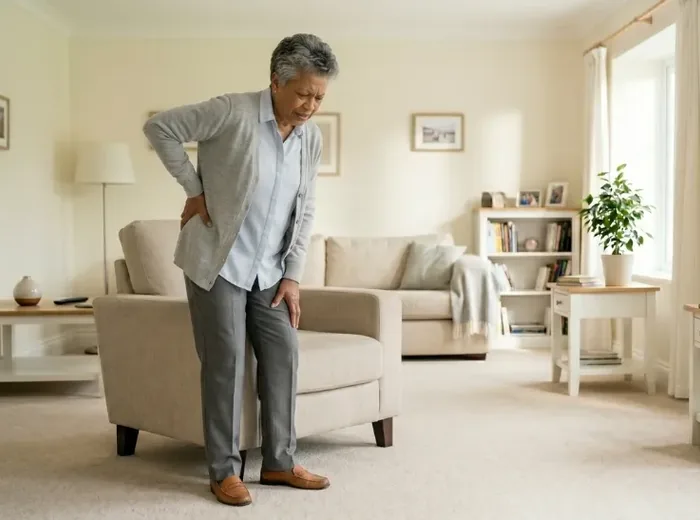
Hip & Knee Pain
Weight-bearing joints take the most punishment. Strength around them is what keeps walking comfortable.
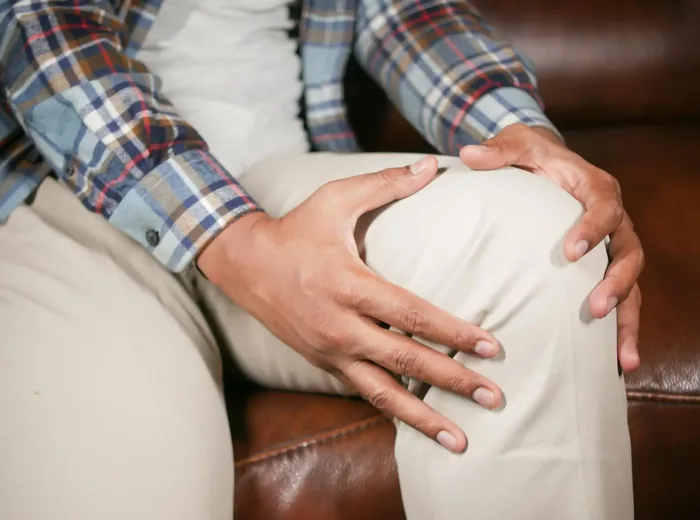
Chronic Pain
Pain that has outlasted the injury behind it needs a different plan than rest and waiting.