Joint Pain Treatment in Tennessee
You have been told it is just arthritis, just age, just what happens. Meanwhile getting out of a low chair takes two tries and the stairs need a plan. Stiff, painful joints are real, and they are not something you simply accept at 70. One evaluation tells you what is actually driving it.
What causes joint pain?
Joint pain is a signal, not a sentence. It shows up when arthritis, an old injury, inflammation or years of repeated stress change how a joint moves and how much of the load the muscles around it are still carrying. Most people are handed a name for it and sent home. Naming it is not the same as finding what tipped this particular joint into pain, and only one of those tells you what to do next.

Cartilage thins and joint surfaces change with time. That is ordinary, and it is not the whole story. Plenty of people have wear on an image and very little pain, while others hurt badly with joints that look unremarkable. What usually separates them is how much strength and motion surrounds the joint. When the muscles carry their share of the load and the joint still travels through its full range, arthritis tends to stay quiet. Your evaluation measures both, because those are the parts we can change.
A sprain, a fracture, a fall you got up from years ago. The tissue healed, but the joint was never brought back to full strength or full motion, so you started favoring it without noticing. Years of walking, standing and rising out of chairs on a joint that is quietly protecting itself adds up. The pain arrives long after the injury is forgotten. Rehab finishes the work the original healing left undone, which is why old problems often respond faster than people expect.
An inflamed joint feels hot, thick and stiff, and the stiffness is worst first thing in the morning or after you have been sitting a while. Some inflammation is protective and useful. When it lingers, it stops the joint gliding the way it should, so the joint gets used less, and less use makes the stiffness worse. We settle it with hands-on work, with the right amount of movement at the right time, and by taking pressure off the joint until it calms down.
Joints adapt to what you ask of them, but they need the demand to arrive gradually. A week of yard work after a quiet winter, a stretch of extra walking, or a task you now do one-handed because of the other shoulder: any of these can load a joint faster than it can adjust. Nothing is torn. The joint is irritated from being pushed past what it is currently conditioned for, and that is a training problem with a training answer.
Muscles are the joint's suspension. When they are weak or slow to switch on, load lands on cartilage and ligament instead of being absorbed by tissue built to take it. This is one of the most common findings at an evaluation, and it is the one people are least often told about. It also explains why rest alone rarely holds: rest quiets the pain and takes more strength away at the same time. Rebuilding that support changes how the joint feels within a few weeks.
When one joint stops moving well, the joints above and below take over its work. A stiff ankle sends load up to the knee. A hip that will not extend hands the job to the lower back. The place that hurts is often not the place that is failing, which is why treating only the painful joint gives short-lived relief. We watch you walk, stand, rise from a chair and reach, then treat the pattern instead of the symptom.

How physical therapy in Tennessee helps.
Care starts with a one-on-one evaluation: how the joint moves, where it is stiff or weak, and what your day actually asks of it. From there, hands-on techniques restore motion and settle stiffness, then strengthening work rebuilds the muscle support around the joint, progressed at the pace your comfort allows. Balance and safety come into it too, because painful joints change how you walk and raise the risk of a fall. You leave each session knowing exactly what to do at home. Tennessee has direct access, so you can be evaluated and treated for up to 90 days without a prescription, and we will verify your insurance benefits before your first visit so nothing surprises you afterward.
What to expect from your recovery.
Evaluation
Your first visit runs 30 to 60 minutes, one on one with your therapist. We watch how you walk, rise from a chair and reach overhead, test the strength and range around the joint, and go through the injuries and conditions sitting behind it. You leave knowing what is driving the pain and what the plan is.
Calm it down and restore motion
Early sessions use hands-on techniques to ease stiffness and improve how the joint glides, paired with movement the joint can tolerate right now. Most people come two to three times a week, and most notice the first change in comfort or in morning stiffness within the first few weeks.
Strength and long-term protection
Once the pain settles we load the joint on purpose, building the muscle that stairs, groceries and getting up off the floor actually require. A typical plan runs four to six weeks. You finish with a home program and a plan for keeping the joint quiet over the next twelve months.
Excellent !!! Everyone is so friendly. I look forward to going every week. Treatment is really helping me to get back to normal.
Pain rarely travels alone.
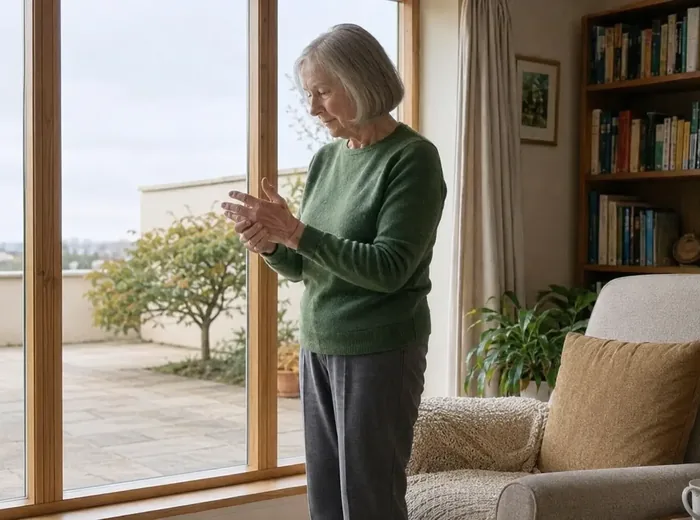
Arthritis
Osteoarthritis in the hands, hips or knees responds to strength and motion work, even when an image already shows wear.
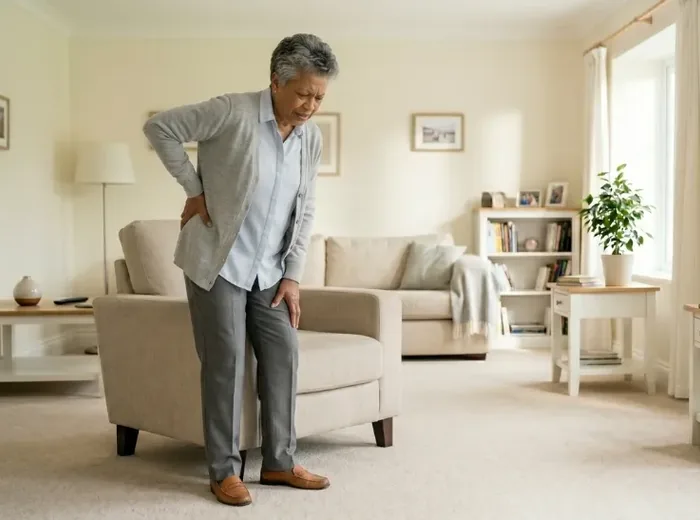
Hip & Knee Pain
Weight-bearing joints take the most load and complain the loudest. We treat the joint and everything feeding into it.
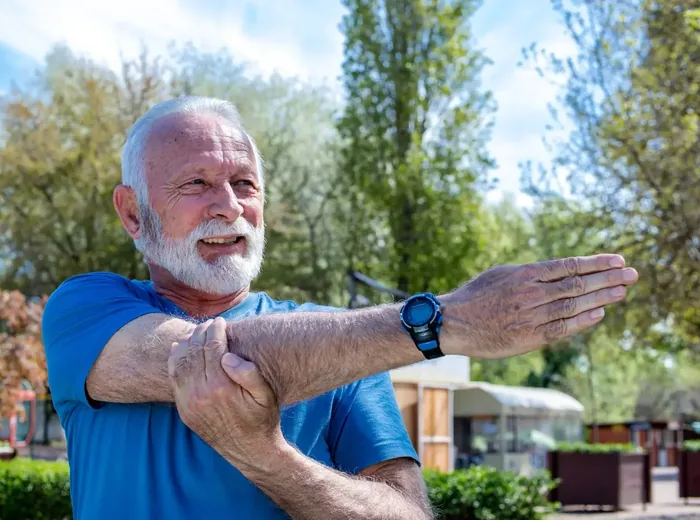
Shoulder Pain
Reaching overhead or behind your back should not cost you. Shoulder pain is usually mechanics, not damage alone.