Chronic Pain Treatment in Tennessee
Discomfort with no clear answer, and a folder of tests that all came back fine. Being told nothing is wrong does not make the pain less real. It is exhausting, it takes a bite out of your energy and your mobility, and it deserves an actual plan.
What causes chronic pain?
Chronic pain is complex, and it almost always involves more than one contributing factor at the same time. That is why it does not respond well to generic programs, and why a sheet of exercises handed to you at the front desk rarely changes anything. The work is to identify which of these factors apply to you, how they interact, and how they are affecting your movement, strength and daily function.

When pain has been present long enough, the nervous system changes how it handles the signal, and the same input starts being experienced as more pain than it once was. Light touch can feel sharp. An ordinary movement can feel threatening. This is not something you are imagining or exaggerating, and it is not a sign of weakness. It is a real change in how signals get processed, and it responds to slow, safe, repeated movement that gradually teaches the system a different answer. Understanding it is often the point where the whole problem starts to feel manageable.
Ongoing low-level inflammation contributes to stiffness and discomfort that does not follow the usual rules. It is worse in the morning, better once you get going, and worse again if you overdo it. Because it is not tied to a single injury, people often assume there is nothing to be done. There is. Gentle movement, hands-on work to reduce tension, and sensible pacing all change how much that stiffness costs you across a day, and how quickly you loosen up once you start moving.
The way you sit, stand, lift and walk places ongoing strain on specific parts of your body, and when pain has been around for a while those patterns quietly reorganize themselves around it. You favor one side. You stop rotating. You use your arms to get out of every chair. Each adaptation makes sense on its own and adds up to steady, low-grade strain somewhere new. Movement retraining is how that strain gets taken back out of your daily activities.
Muscles that have gone weak or fallen out of balance affect stability and support, which means joints and tissues end up carrying load they were not designed to carry alone. Pain follows, often somewhere other than the weak muscle itself, which is why it can be so hard to locate. Guided, gentle strengthening rebuilds the support so the painful structures get a break, and improving coordination matters as much as improving raw strength.
Lifestyle factors are a real part of the picture, and they explain why chronic pain feels so unpredictable. A poor night's sleep, a stressful week, or a day where you did far more than usual all change how much pain you feel, sometimes a day or two later. That unpredictability is exhausting on its own. Consistent movement, proper pacing, and knowing how to adjust during a flare are what turn pain from something that ambushes you into something you can plan around.
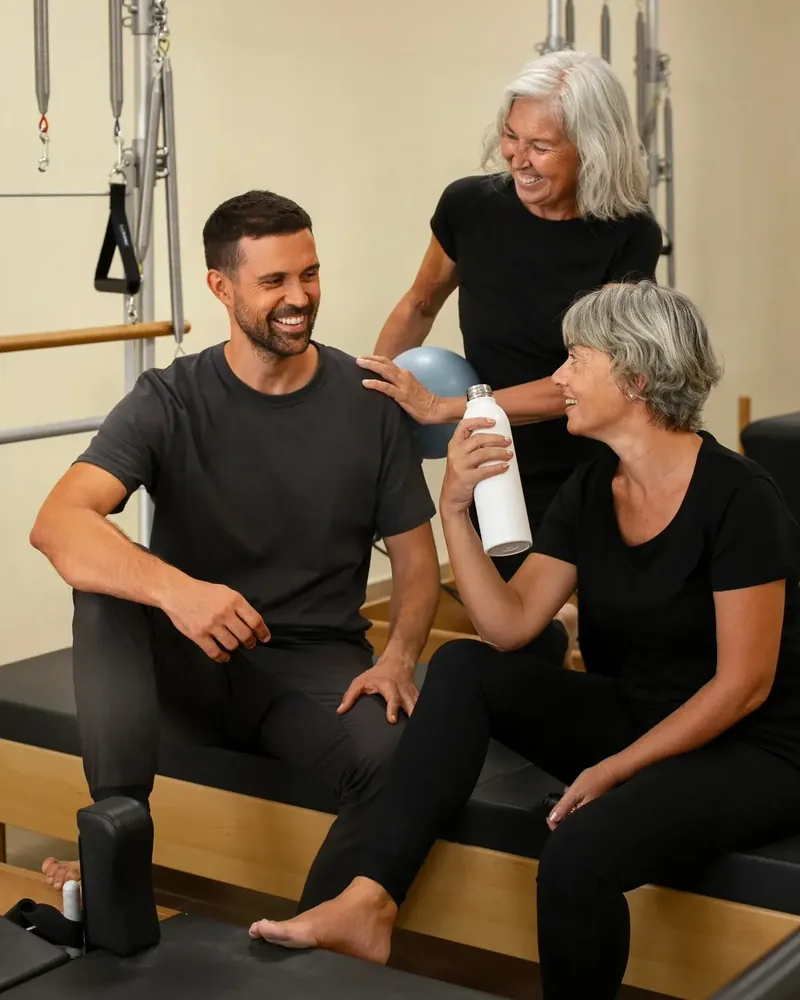
How physical therapy in Tennessee helps.
Chronic pain does not respond well to generic programs, so we do not run one. A detailed one on one evaluation identifies which factors are affecting your movement, strength and overall function, and how your pain is changing your daily routine. From there, treatment combines hands-on techniques to improve mobility and reduce tension, gentle guided exercises to build strength and coordination, and movement retraining that lowers the strain in the activities you do every day. Care is adjusted based on how you respond, so you improve at a pace that is both safe and sustainable.
Education carries as much weight as any exercise. Understanding your own symptoms and why they behave the way they do takes a great deal of their power away, and it makes strategies for managing flare-ups and staying consistent much easier to follow. Progress is built through gradual progression that grows your tolerance and your confidence together. Sessions run 30 to 60 minutes one on one, typically 2 to 3 visits a week for 4 to 6 weeks, and most people notice a change within a few weeks. Tennessee has direct access, so no referral is needed for up to 90 days, and we verify your insurance benefits before you start.
What to expect from your recovery.
Evaluation and understanding
A detailed one on one evaluation looks at how your pain affects movement, strength and daily routine. Early sessions pair hands-on work to improve mobility and reduce tension with a plain explanation of what is driving your symptoms. Most people leave that first visit less anxious about moving than when they arrived.
Guided movement and retraining
Gentle, guided exercises build strength and coordination while movement retraining takes the strain out of the tasks you repeat every day. Progression is gradual and deliberate, so tolerance grows without provoking a setback. Flare-ups are expected rather than treated as failure, and we adjust around them.
Consistency and independence
As comfort and mobility improve, you get strategies for managing symptoms and staying consistent on your own. That is the piece that holds: better daily comfort, better movement patterns, and the confidence to keep doing the things that let you stay independent at home.
When I started therapy I was in so much pain all over my body after 3 weeks it's just unbelievable how much better I feel and can walk sometimes without my cane n rollator.
Pain rarely travels alone.
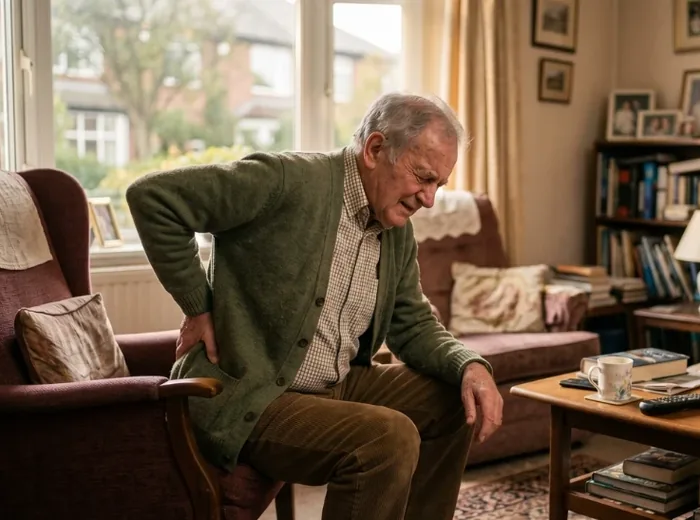
Back Pain & Sciatica
Back pain that never fully settles is one of the most common places chronic pain begins.

Arthritis
Stiff, inflamed joints create the kind of daily discomfort that wears a person down over years.

Neck Pain
Long-running tension through the neck and shoulders responds to hands-on work and better mechanics.