Incontinence Treatment in Tennessee
Most people wait years before they say this out loud to anyone. By then you are planning routes around bathrooms, keeping a change of clothes in the car, and turning down invitations that used to be easy. Losing bladder or bowel control is common as we get older and it is not something you have to simply live with. It is treatable, it is treated privately, and it starts with one conversation.
What causes incontinence?
Bladder and bowel control depends on a group of muscles at the base of the pelvis working in time with your breathing and your trunk. When that coordination slips, after surgery, alongside a chronic condition, from years of held tension, or simply from doing less than you used to, control goes with it. Leaking is a muscle and timing problem far more often than people assume, which is why it responds so well to therapy.
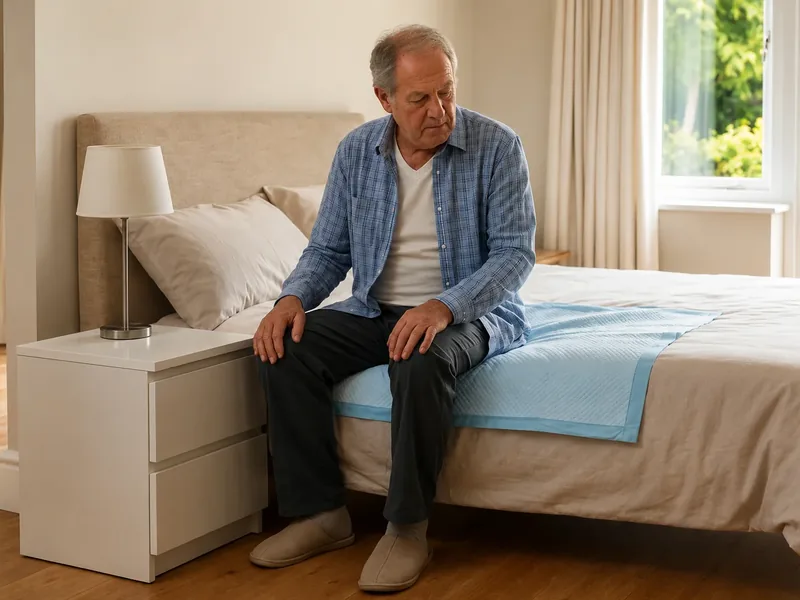
These muscles are meant to tighten a fraction of a second before you cough, sneeze, stand up or lift something. When that reflex is late or missing, pressure reaches the bladder before the support does, and you leak. Strength is only half of the picture. Coordination is the other half, and it is the half most people are never taught. Guided retraining rebuilds the timing, which is why control often improves before strength has changed very much at all.
The pelvic floor works as part of a system with your deep abdominal muscles, your back and your diaphragm. If the trunk is not holding you steady, the pelvic floor takes on work it was never meant to do alone and tires out as the day goes on, which is one reason accidents are more common in the afternoon and evening. Targeted exercise for core and pelvic stability gives those muscles their support back, and the benefit carries into everything you do on your feet.
Abdominal or pelvic surgery, prostate surgery, childbirth, and chronic conditions that involve straining or a lasting cough all change how these muscles work and how much they can take. Scar tissue restricts movement. The nerves supplying the area can be affected. Your evaluation covers that history in full, because the same symptom arriving from two different histories needs two different plans. Nothing discussed in that room goes any further.
Muscle mass, tissue elasticity and reaction time all change as we get older, and they change faster during any stretch of reduced activity: after an illness, a hospital stay, or a winter spent mostly indoors. This is the most reversible item on the list. These muscles respond to training the way any other muscle does, at any age, and responding does not require you to be athletic or already in shape.
Not every case is weakness. Some pelvic floors are held in a constant low-grade contraction, from pain, from bracing against a leak, or from years of tension. A muscle that never relaxes cannot contract quickly when you need it to, so the symptoms look identical to weakness while more squeezing exercises quietly make things worse. That is why we assess before prescribing anything. When tension is the driver, relaxation strategies and hands-on techniques come first.

How physical therapy in Tennessee helps.
Care is private, one on one, and delivered with the door closed. It begins with a comprehensive evaluation of your history, your daily pattern, and your core strength, pelvic coordination and movement. From there the plan may include hands-on techniques to improve muscle coordination and reduce tension, guided retraining to restore proper muscle function, targeted exercise for core and pelvic stability, and relaxation strategies that take unnecessary strain out of the system. You stay in control of what happens at every step, and care is adjusted to what you are comfortable with. Tennessee direct access means no referral is needed to begin, up to 90 days, and we verify your insurance benefits before your first visit.
What to expect from your recovery.
A private evaluation
Your first visit runs 30 to 60 minutes, one on one and behind a closed door. We talk through your history, surgeries and conditions, when accidents happen and what you have already tried, then assess core strength, pelvic coordination and how you move. Nothing happens that you have not agreed to first.
Retraining coordination and control
Sessions combine guided retraining with hands-on techniques, targeted strengthening where it is needed and relaxation work where tension is the problem. Most people come two to three times a week. Progress usually shows up first as fewer accidents late in the day, or as more warning before the urge arrives.
Carrying it into real life
The last stage applies your control to the situations that actually catch you out: standing up from a chair, coughing, lifting a grandchild, walking to the bathroom at night. A typical plan runs four to six weeks, and you finish with a home program that keeps the gains after therapy ends.
I had a great experience with Gerihab Physical Therapy. The team is incredibly knowledgeable, patient, and genuinely cares about helping each person improve their quality of life.
Pain rarely travels alone.
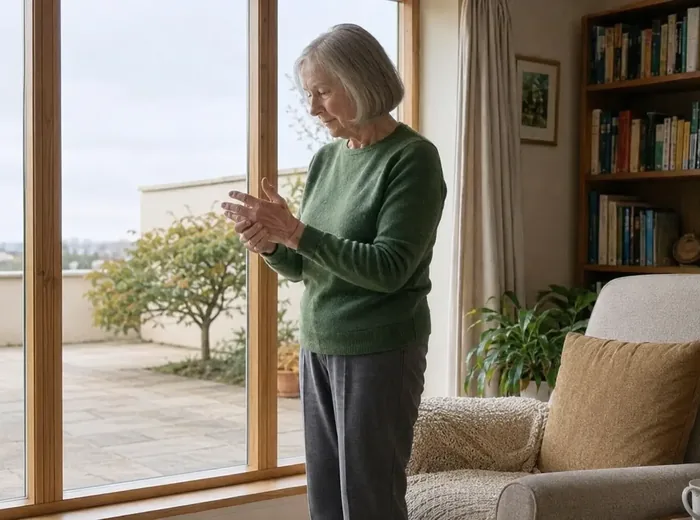
Arthritis
Joint stiffness slows you down, and slower means less time to reach the bathroom. We treat both sides of that.
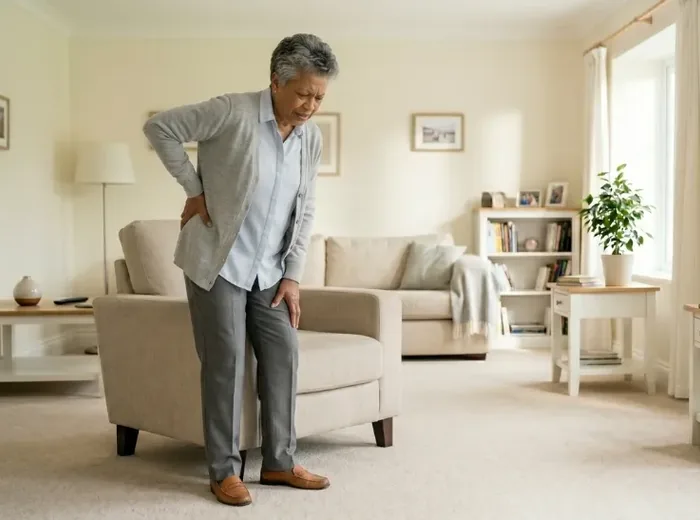
Core Weakness
Deep trunk muscles work with the pelvic floor. When the middle is weak, control at the bottom suffers.

Balance & Gait Disorders
Walking steadily to the bathroom at night matters as much as muscle control. We train both together.