Elbow, Wrist & Hand Pain Treatment in Tennessee
It starts small. A jar you hand to somebody else. A cup you carry with two hands now. Buttons that take longer than they used to. Being told it is just arthritis in your hands does not help you open your own front door. We start with what your hands and arms have to do every day, then work backward to why they are struggling.
What causes elbow, wrist, and hand pain?
From elbow to fingertip, your arm is a chain of joints, tendons and nerves that repeats the same movements hundreds of times a day. Pain here usually traces back to strain built up over time, a fall or sudden load, joint changes, or a nerve being crowded somewhere along the way. Left alone, it costs you grip strength and coordination, and grip is what independence is made of.

Gripping, lifting, wringing out a cloth, opening jars, pushing up out of a chair with your hands: the same tissues take the same load all day long. Tendons around the elbow and wrist tolerate that well until the total amount goes up faster than they can adapt to, and then they complain during the task and ache for hours afterward. Nothing has torn. The tissue is irritated and undertrained for what it is being asked to do, which is why resting helps for a week and the pain returns the moment you go back to normal life.
Where your wrist sits while you work matters more than how hard you are working. A wrist bent back while you push a walker or a cart, a shoulder rolled forward while you read, a grip that relies on fingertips instead of the whole hand: each one multiplies the load reaching the small joints and tendons. Changing the position often takes more pain out of the day than any single exercise, and it is the first thing we look at when your pain tracks with particular tasks.
A fall onto an outstretched hand, catching yourself hard on a counter, or a sudden pull that loads the wrist and elbow at once. Even when nothing was broken, the joint and the tissue around it can stay guarded long after the bruise fades. You quietly stop using that hand for anything that hurts, strength drops off, and the wrist stiffens. Rehab restores the motion first, then rebuilds the strength that six weeks of protecting it took away.
Joint changes at the base of the thumb, in the finger joints, at the wrist or in the elbow bring stiffness, swelling and a grip that fades through the day. Painful joints get used less, and less use makes them stiffer still. That is the loop worth breaking. Gentle motion, targeted strengthening and better ways to hold and carry things keep these joints working. The aim is not a different image. It is a hand that still does its job.
Numbness, tingling, or a hand that drops things without warning points at a nerve rather than a joint. Nerves travel from the neck through the shoulder, elbow and wrist, and they can be crowded at any point along that route. Because the symptoms turn up far from the actual problem, we screen the whole path at your evaluation instead of treating the spot that tingles. Where the nerve is being compressed decides what treatment will actually work.
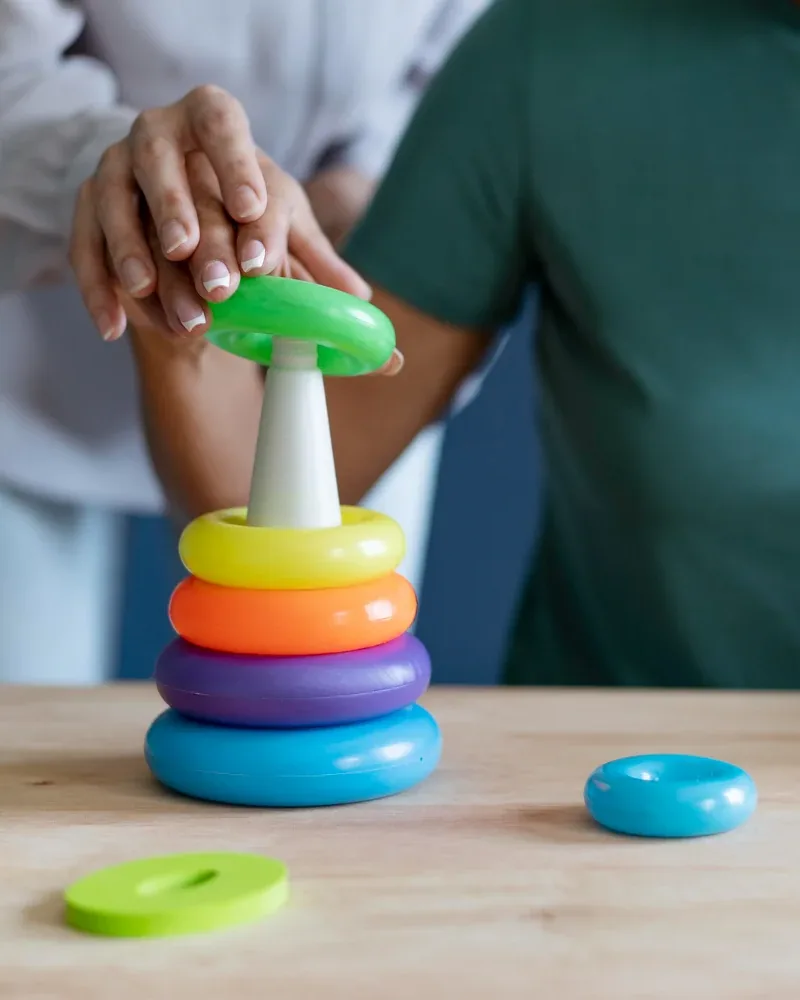
How physical therapy in Tennessee helps.
Your care begins with a detailed, one-on-one evaluation of how your hands and arms move during real daily activities: posture and joint alignment, strength and flexibility, a screen for nerve symptoms, and the injuries or conditions sitting behind all of it. From there, hands-on techniques improve mobility and reduce stiffness, targeted exercise rebuilds grip strength and coordination, and we work out positioning strategies that protect your joints while you cook, dress, garden and drive. Most clinics hand you a putty ball and a sheet of exercises. We watch you actually use the hand, then fix the reason it hurts. You do not need a referral to start in Tennessee, and we will check your insurance benefits before your first visit.
What to expect from your recovery.
Evaluation
Your first visit runs 30 to 60 minutes, one on one. We watch how you grip, lift, reach and use your hands through ordinary tasks, test strength and flexibility, check posture and joint alignment, and screen for nerve symptoms. We go through past injuries too. You leave with a straight answer about what is driving the pain.
Hands-on work and motion
Early sessions ease stiffness and improve how the elbow, wrist and finger joints move, using manual techniques alongside gentle exercise you can tolerate right now. Most people come two to three times a week, and most notice that everyday tasks cost them less within the first few weeks.
Strength, coordination and joint protection
Once the pain settles we rebuild grip and arm strength, retrain coordination, then apply both to the tasks that matter to you. A typical plan runs four to six weeks. You finish with a home program and joint protection strategies that keep the problem from coming straight back.
I would like to thank my physical therapist and their staff for the expertise that they have shown me in healing me of my pain in my shoulders. It was so excruciating.
Pain rarely travels alone.
Shoulder Pain
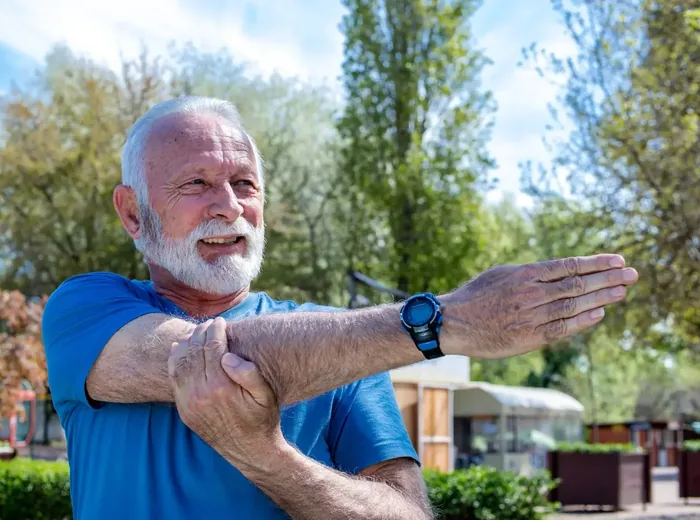
Shoulder trouble changes how you carry and reach, and the elbow and wrist absorb the difference. We treat the whole arm.

Joint Pain
Aching, stiff joints elsewhere respond to the same mix of motion, hands-on work and steady strengthening.
Core Weakness
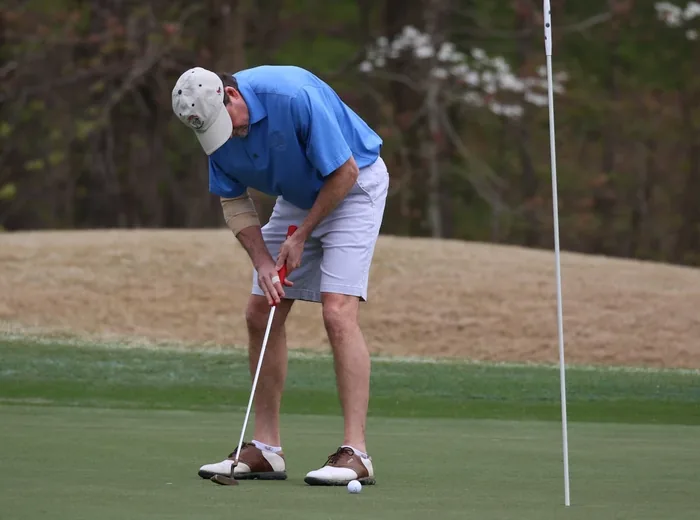
Trunk and shoulder blade support decide how much work your arm does alone. We rebuild it from the middle out.