

Interview with Deb Leggett
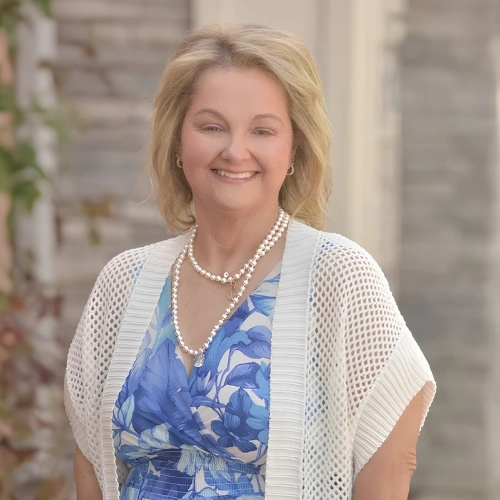
Spotlight Series Topic: How to Manage Your Diabetes
Guest Name: Deb Leggett
Guest Credentials: Nurse Practitioner
Discussion Details: How to Manage Your Diabetes with Ms. Deborah Leggett, FNP of Family Medical Clinic
Benefit of Watching: Understanding how to better manage your diabetes
Address of guest’s business: Family Medical Clinic – 45 Hurt Street
Trezevant, TN 38258
Dr. Michael Chua: hello everyone we are back here at family medical clinic here at jackson tennessee again if you’re watching a live comment live watching a replay comment replay and uh i don’t know if you can hear us typing you can hear us if you can hear it that’s great because we’re just setting this up we’re just moving you know doing this camera a little thing but uh yeah i’m here with miss deb leggett she’s a nurse practitioner and uh she’s like an advanced uh diet advanced diabetes management there you go advanced diabetes management expert whatever you call that but uh i just want to ask her hey you know i’m diabetic myself you know it’s free consultation for me right so uh diabetic myself and i want to bring her here in our group GeriHab group the alzheimer’s and dementia support group and the different people who’s been following us and i want to ask her who she is obviously what does she do what qualifies her to be a an educator or a diabetes expert and of course how we can manage our own blood sugar and everything so instead could you please tell us who you are again
Deb Leggett: my name is deborah leggett i’m a family nurse practitioner i’ve been in jackson about seven and a half years and over the course of the last seven years or so i’ve been seeing a lot of diabetes diabetes patients a lot of diabetics and i just wanted to have that confidence that i needed to take care of the patient and have more confidence as i’m adjusting their medications so as i was researching i realized that i needed to get my board certification and if that’s diabetes management for one thing there’s not enough people in this area who do this type of thing there’s a very small percentage of endocrinologists so there’s you know a long wait list for diabetics to see an endocrinologist so we need advanced diabetic people experts that can that can help patients um so i’ve just gained my board certification and advanced diabetes management again like i said i’m a nurse practitioner um and what that entails me to do is is make um adjustments to their medications and just feel more confident and knowing personally for myself that i’m giving the best care possible very patient
Dr. Michael Chua: there you go well first you know when you go to a nurse practitioner or a doctor or a physician or a therapist you need to find you know who is an expert on that specific uh condition you know i mean they’re like a lot of general practitioners don’t get me wrong but just like me for example i am i have heart issues i can go to a gp but of course i want to go to a you know expert in cardiology and same thing with diabetes you got to go to an expert who knows what they’re doing of course everybody knows the basics but uh let’s ask miss then what is diabetes you know what is diabetes mystery
Deb Leggett: well diabetes is the inability of your pancreas to do its job there are two specific types of diabetes that we look at type one type two um top one is an autoimmune disease that most people develop as in childhood um in their younger years where that the pancreas no longer secretes insulin then that’s a total different type of diabetes um one of the biggest epidemics we have um is type 2 diabetes which is most likely um due to our eating habits obesity things like that
Dr. Michael Chua: um why are you looking at me when you say said obesity
Deb Leggett: no i’m scared i’m not no i’ve struggled with my weight my entire life so i know exactly i know exactly how hard that is um and it’s not easy like years ago we used to talk about how to um take care of diabetics and it was more like a punishment you know what the patient felt punished when they come in to see their provider and now we’re taking an approach where you’ve got to meet the patient where they are where are they in their journey to get better where are they on their education level and we want to meet them where they are and start from there and try to develop a plan and we don’t want to seem like we’re criticizing them because that’s not going to get your patient to do what you need them to do you want to gain their support and gain their gain their confidence and and let them know why they need to make certain changes and uh some people they just are not going to eat better so if they’re not going to eat better and they can’t make those changes then we need to give them the proper medication so that we keep the blood sugar levels down so that the the vascular complications to the eyes the kidneys the blood vessels those things don’t happen so you know you just got to start with the patient and and just let them know that you’re there to help them not to discourage them not to you know complain about their weight complain about their blood sugars help them give them the tools that they needed and i realized i needed more expertise on continuous blood glucose monitors um i wanted that confidence to be able to say okay this is how much insulin this patient needs and it just it just done so much for me personally that i know i can get back to the patient
Dr. Michael Chua: there you go there you go i i want to go back to you know the very first thing that steph said you know type 1 and type 2 there’s two types of diabetes obviously one is you know the autoimmune second is to acquire so when can you progress from type one to type two or type two to type one does that matter or is there a
Deb Leggett: no if you’re type one you’re always type one if your type two you’re always type two yes but you can reverse type two or at least get it under control with proper diet medication i mean that’s our goal is to get the patient where they don’t have the eye complications because most of the patients either develop what we call retinopathy of their eyes or they will develop neuropathy of their feet and legs which is very painful you know that um as well as um they develop a kidney complications which we call nephropathy and that’s just even worse they develop kidney failure so our goal is to get the patient’s blood sugar down and is it a quick process no you know it takes time and commitment from me and from the patient
Dr. Michael Chua: yeah um so you mentioned about you know uh being a patient advocate how does one check a patient’s uh sugar levels or blood glucose level can they take it by the blood you mentioned about the glucose monitor
Deb Leggett: yeah lots of times when a patient’s first come in we may just do a routine urinalysis a urine specimen and find that they have sugar or glucose in their urine and that’s usually sometimes the very first indication so we can do like a finger stick then we can move on to doing like um an agency that’s a calculation of blood glucose over the last three months um and then once we establish that diabetes diagnosis it is imperative that we start right then get that blood sugar down you know normally we would hit them with one medication now we’re trying to hit them with two so we can make a dramatic change and generally by the time a patient is diagnosed with type 2 diabetes they’ve probably been well on their way for three to five years so we will get a baseline um eye exam on every patient
Dr. Michael Chua: yes that’s the reason why i’m wearing eyeglasses again if you’re watching live comment live watching on a replay comment replay um steph so you mentioned about uh monitoring the blood glucose i know uh she mentioned about the prop net profitee you know when when you have sugar in your in your urine on your pee and because you’ve got too much sugar it it goes to your to your urine so so when we check in the urine we check on the on the blood sugar on the stick or or whatever you’re checking uh what is the normal level for the urine and for the stick i mean is there a difference on it
Deb Leggett: yeah and generally like we’re looking for a blood level less than a hundred like a fast and meaning you’ve not eaten we’re looking for fasting blood blood sugar under a hundred anything between like 100 and 119 is considered like what we call pre-diabetes borderline diabetes it’s in anything greater than 120 we consider uh fasting again not eating as a patient is diabetic the last few years they’ve tightened those rains a little bit where that the that criteria is getting smaller and smaller
Dr. Michael Chua: i bet yeah because you know dietary changes is changing it’s evolving you know we live in here in the united states everybody eat you know first world food
Deb Leggett: yeah but fast food you know processed food i mean it’s unfortunately it’s it’s easier and cheaper to eat unhealthy you know that it is healthy so it’s hard to break those habits
Dr. Michael Chua: it’s so true so true so you mentioned about the blood glucose level you know the urine you’re taking or you’re checking your uh blood stick and everything how you mentioned about this word a1c what is specifically a1c
Deb Leggett: an a1c is like a three-month time frame it’s like taking a picture of your blood sugars over the course of the last three months and combining them into one number and anything between anything greater than 6 6.5 and above is considered diabetic your normal range is less than um 5.5 so anything 5.5 to 6.4 is considered pre-diabetes like borderline diabetes so and we used to wait years ago because i mean i’ve been in a nursing a long time that we would wait until that patient was diabetic we don’t do that anymore when that patient’s levels start coming up to what we call the borderline pre-diabetes that’s when we start we do not wait for that patient to go full-blown diabetes we try to start making those lifestyle changes medication adjustments getting them active getting them healthy again not wait for the complications to start
Dr. Michael Chua: what are you looking at when you say i have to do something i know i need to be more active too i was just teaching a class this morning i was talking about uh you know the diabetes in numbers and i said well you gotta listen to our to our interview later because we’re talking about we’re gonna be talking about diabetes so yeah you mentioned about lifestyle changes so uh before we go to the lifestyle changes uh i wanna ask you about uh what are the signs and symptoms what do we need to look at you know are we diabetic or pre-diabetic do i pee a lot am i hungry all the time am i thirsty all the time is that what are the signs and symptoms
Deb Leggett: lots of times when you’ve got a child or an adolescent if they have um con like continually eating mm-hmm all the time
Dr. Michael Chua: no our boys do that
Deb Leggett: our boys do that you know when they go through the pre-teen years but if you got a child that’s eaten a lot and they’re losing weight that’s the number one red flag if they’re putting in a lot of volume and they continue to lose weight or they’re feeling tired all the time or you notice they’re going to the bathroom all the time excessive uh going to the restroom you know to urinate is a is a sign um sometimes they’ll have skin infections you know like yeast overgrowth um so that’s that’s some of the changes but with type 2 a lot of these people have gained weight over a certain amount of years a lot of them will complain of severe fatigue headache just generally not feeling well visual disturbances visual changes um just numerous symptoms and of course with type 2 it is hereditary you know so if you have family members who have type 2 diabetes you know then your chance of getting type 2 diabetes even equals and then we have a different saga with gestational diabetes when women are pregnant and they develop diabetes during pregnancy so that that’s another that’s another complication
Dr. Michael Chua: that’s so true that’s so true like what this deb said again if you’re watching a live comment live watching a replay conversely i want i want to tell like what she said you know uh look at that you know if it’s type one you know if they’re eating a lot and they’re losing weight that’s type one
Deb Leggett: yes
Dr. Michael Chua: if you’re type two and you’re eating and you’re hungry all the time and you’re thirsty all the time that’s probably type two so remember the the four is it four piece or three piece polydipsia polyphagia polyurea and
Deb Leggett: you put me on the spot
Dr. Michael Chua: i’m sorry let’s just say three
Deb Leggett: yes
Dr. Michael Chua: those are the three pieces the three piece polyester you know your uh always thirsty okay polyphagia you’re always hungry and polyuria you’re always peeing paulie means multiple okay means it means you’re always thirsty okay faja means you’re you’re always hungry just like me you know and polyuria ura means you’re peeing all the time because you’re drinking all the time you know you’re peeing all the time so watch out those signs and symptoms because it’s very important and if that happens you need to go to a good nurse practitioner or a good physician to check you and and don’t wait because those complications can can by the time you start showing symptoms
Deb Leggett: it’s been there for a while it’s already there
Dr. Michael Chua: yeah it’s like hypertension
Deb Leggett: yes
Dr. Michael Chua: you know hypertension doesn’t start immediately
Deb Leggett: yes
Dr. Michael Chua: it can be stressed out and your blood pressure could go up but that hypertension you know it’s already been there slowly going up because of your cholesterol levels your stress level and same thing with diabetes don’t wait to the point that you are always hungry you’re always thirsty you’re always peeing and what’s happening is that you can reach well what do you call that that uh diabetic uh
Deb Leggett: diabetic ketoacidosis
Dr. Michael Chua: we don’t want that see she’s the expert you know so that’s extremely dangerous and it can be fatal in a top one you know and and then some people some diabetic patient you can smell the sugar in their breath and even in their pee
Deb Leggett: yeah their pee
Dr. Michael Chua: for example they don’t let me turn this off okay uh let’s just say for example they pee and they didn’t flush some people their pee gets ants because it’s so sugary and their breath you know smells like fruity breath am i crying
Deb Leggett: yes
Dr. Michael Chua: she sees this all the time so uh steph so what are the common management i know you’re very busy what are the common management aside from you know mentioned about lifestyle changes
Deb Leggett: well we look at the patient sometimes depending on the patient’s level we’ll either start with a oral agent being by mouth or we’ll we’ll start with something by mouth and possibly an injection and we’ve come a long way over the last few years we have once a week injections where patients are not having to inject themselves every day we have continuous monitors you know like i wanted i’ve got one on my arm now just to kind of
Dr. Michael Chua: are you
Deb Leggett: you know no but i’m learning how to teach my patients how to download these and how better way than to be a subject myself but i made some lifestyle changes probably about six seven years ago because i had diabetes right on the edge so i knew i had it i mean it’s it’s you know it has no boundaries it loves everybody so you know but i thought this is a good way my rep came and she’s like let’s show you how to you know let you be the patient and i just thought it was wonderful i i see what they go through i see their struggle but this thing right here these continuous glucose monitors are wonderful and your provider can actually go in and download those and look at those once a month and help you with your blood sugars so we’ve got software now that we can use on our on our you know our phones where we can see and we scan it and it tells us what our sugar is not without poking the finger that’s what people’s thing is i’m not giving myself a shot i’m not poking my finger but now that we have weekly shots we have oral medications that we may not ever have to put somebody on the shot patients are just doing so much better because you know i’ve been a nurse a long time years ago all we had was one or two insulins and that was good now it’s like it’s this whole conglomerate of of good drugs that we can use to treat this this horrible disease
Dr. Michael Chua: well so we mentioned about the you know monitoring and everything so does that this insurance cover it or you got to get out of pocket
Deb Leggett: most of them cover really well it just depends on the insurance most commercial insurances you’ve just got to have a diabetes diagnosis medicare you generally have to be on a couple of injections a day which most are and then our team care population we can get those covered as well
Dr. Michael Chua: wow wow
Deb Leggett: yeah absolutely and there are some patient assistance programs out there and there’s different companies different options it depends on which monitor you’re looking at whether it goes to the pharmacy a dme or a specialty company
Dr. Michael Chua: i have several patients who have that uh monitoring device and i’m like what and then they’ll just put their phone and it’s like dude see i got all my readings here michael well the question is is it normal
Deb Leggett: yeah yeah and they can go in and download that and the provider can go in and look at their month and what we’re looking at is the percentage of time and range and we want at least 70 percent of their time within a a and twenty between 100 and 180 so blood sugar-wise you know and we want to make sure that they’re meeting that and we also want to make sure they’re not having low blood sugar you know
Dr. Michael Chua: yes because that can be dangerous as well
Deb Leggett: and there’s a percentage of time that we want them to be under that target if they’re over that targeted that means i need to make a medication adjustment and it’s very good to guide that to help guide the patient and i’ve seen that it helps the patient if if you don’t see it you don’t know it but if you see it you will be like i might not eat that cookie
Dr. Michael Chua: yeah it’s very important you got that bio feedback visual feedback not just hearing from your from your provider but just seeing it oh this is my number for today not just because you go to the doctor every three months or six months and you forget it after a month but if you see it right there and then in your computer on your cell phone everybody’s in a cell phone nowadays right oh i’ll be more conscious about it it’s like me this morning i checked my blood pressure was so high and i had to take my medication so i like what she was talking about medication management and adjustment because your body changes during the day what you’re eating during the day it changes so it’s very important that you i mean of course you know as a provider they’re educating you and you as a patient you need to learn how to adjust and adapt your medication itself because if your sugar is too high and you’re taking the regular level of this medication you need to learn and talk to your doctor or nurse practitioner to adjust it too
Deb Leggett: yeah so you want the patient to be able to just make that adjustment not all patients are able to do that but the majority of your patients are that we want them to take ownership in their disease and get them on board and get them to feeling better
Dr. Michael Chua: there you go there you go and if you see that blood sugar you’re gonna you’re gonna act on it if it’s like stored or you’re not you’re not seeing it it makes a world of difference that’s so true that’s so true you know it’s i like what you said about ownership it’s not it’s not that you’re embracing the sickness it’s not that you’re embracing the victim mentality but what she’s talking about is like you’re owning it and being responsible for your own health and that’s in charge of your life you know it’s very important that we take care you know because if you get better not just because they get not just because their insurance wants us to make you feel better right but if you get better you’re doing this not just for yourself they’re doing it also for your family right you’re doing for your the future of your kids the grandkids or whoever because diabetes is is actually one of the highest you know killer uh nowadays you know of course number one is heart attack and everything like that but it’s all connected blood sugar is high blood pressure is high too so is that uh i know you’re so very busy so what are the different medications and then after this you know what we’re done so i mean we’re not gonna prescribe we’re not we’re not your primary doctor but uh what are the different medications that you normally you know recommend or do we have injections immediately do we take you know oral metformin or membrane glyphosate what are those
Deb Leggett: there are a lot of oral medications that you can start off with like metformin glyphoside um actos there’s also um injections like ozempic saccinda um victoza that you could do once a week there’s baidurian there’s trilocity um there’s traceba there’s levomir there’s all kinds of medications that we can start off with but ultimately our goal is to get your a1c depending on your age under seven now if you’re in the geriatric population of 80s and 90s which i’m doing a whole lot more geriatric with this dude and i’ve had to learn you know i had a conversation with a family the other day
Dr. Michael Chua: yes
Deb Leggett: grandmother is 94 and she is now diabetic but her a1c for her age is okay because the medications are more of a risk when you’re 94. so you know we won’t we kind of have to take the patient’s age and keep that in mind and our target is just a little bit more relaxed
Dr. Michael Chua: there you go and you hear that it’s very important that you go to a practitioner that knows what they’re doing depending upon their age why because the normal force this person this young person’s age cannot be the same normal range for the other geriatric populations they’re not as active you know so their their medication needs are not going to be as much if their sugar is low and then they’re not doing anything that’s fine okay if it’s too high obviously and then they’re they’re hyperactive you know they’re walking all the time they’re like wandering let them be something like that so like what this deb earlier said you know you gotta go into their world you know uh meet at their level in that way
Deb Leggett: that was the biggest thing i got from this entire process was that i remember years ago it was like every diabetic was punished they hated to go to the doctor i know because they were going to be scolded about their sugars i do not do that they taught us you meet that patient where they are and i loved that that that philosophy meet the patient where they are treat them as an individual don’t treat me like i treat you the same vice versa if you’re a man i’m a woman we all have different needs my age your age everybody’s is you just take that patient and develop individualized plan and that’s where we’re going it’s individualized and i’m just so happy to be able to do this i mean yesterday i had two really complex diabetics and i mean it was i was like sometimes i feel like i’m over my head but then i’m like okay take a deep breath and then i just sit down and you know and just try to figure out a plan
Dr. Michael Chua: there you go but it’s not easy i bet
Deb Leggett: yeah none of this is easy everyday it’s different for them
Dr. Michael Chua: yeah
Deb Leggett: you know it’s not just okay you got you know you go to dialysis three days a week or three times a week and we don’t want to do that that’s my background 20 something years of dialysis and it’s my goal to keep you who have high blood pressure and diabetes those are the two main killers of your kidneys hypertension and diabetes and if you have both and you don’t control them you will be on dialysis
Dr. Michael Chua: i know it’s just that it’s just a matter of
Deb Leggett: just a matter of when
Dr. Michael Chua: mom and dad went through that so it’s so hard it’s so hard so i feel you well anyway miss deb thank you very much for your time uh any last parting wisdom for you know for our geriatrics population uh you know where they can find you and everything like that
Deb Leggett: um i’m located in jackson tennessee i’m at 1022 greystone square our number 731-300-2001 and i encourage you if you feel like you are a diabetic or could be developing diabetes please go see your provider and please let them check you because even if you’re 55 60 and you live another 20 years 30 years we want you to be healthy because with diabetes you age much faster when it’s very uncontrolled and we have so many medications that are so much easier to take care of diabetes now
Dr. Michael Chua: that’s so true thank you very much appreciate you thank you for your knowledge for stepping up for being you know a better provider for not just for yourself but also for your community so again thank you very much but before i let you go always remember the word fast f a f letter f find people that will bring out the best in you because you are the average of the five people you hang out with so who do you hang out with are you kind of with people who are diabetic guess what you’re going to be diabetic too because you’re going to eating the same habit right hang out with people who are healthy you know they’re finding you know lifestyle changes you’re going to be healthy you’re going to have to be you know adjust your lifestyle too find people also find practitioners and providers who are actually going to bring out the best in you and this is where miss uh that comes in family medical clinics so letter f that’s fine people find a practitioner that will take care of you next letter is letter a take action all this stuff that we’re doing is not going to do me good it’s not even going to do miss deb good if you don’t take action okay uh this one that we’re doing we don’t get paid i don’t get paid she doesn’t pay me i pay a pair but you got to take action go to a practitioner go to family medical clinic have your blood sugar checked you know go to a wellness check or whatever they call it take action you know because this is going to be you know nobody’s going to do this for you but yes your spouse can take you there but only you can can change your condition okay well of course the medication the doctors but only your own action will change you okay next letters letter s share subscribe the more shares the better okay share family medical clinics uh website facebook page you know the more shares the better sounds cheesy but it is it may be inevitably applicable to you you’re not diabetic right now or i’m not saying you’re going to be but what i’m saying is that it could be applicable to someone else and they can learn from this topic that we’re talking about and last but not least it’s larity you know it’s teach it why because when here you forget when you see it you’re a member but when you’re actually teaching it you’re actually understanding it more and that’s what miss deb is doing she’s teaching us how to understand diabetes and how to manage it properly again thank you very much appreciate you um any last sparting wisdom you’re good
Deb Leggett: i’m good
Dr. Michael Chua: all right bye thank you