Fibromyalgia Treatment in Tennessee
Pain that moves around, fatigue that no amount of sleep fixes, and a foggy day that arrives with no warning. You have most likely been told your tests came back fine, as though that settled it. It is real, it shows up in what your day costs you, and it responds to the right amount of the right movement at a pace that does not set you back.
What causes fibromyalgia symptoms?
Fibromyalgia changes how the body processes pain, so ordinary signals arrive louder and stay longer. That is why the pain is widespread rather than located in one place, why fatigue and trouble focusing travel with it, and why two people with the same diagnosis need very different plans. None of it is imagined. Learning what turns the volume up in any given week is what makes symptoms manageable instead of unpredictable.
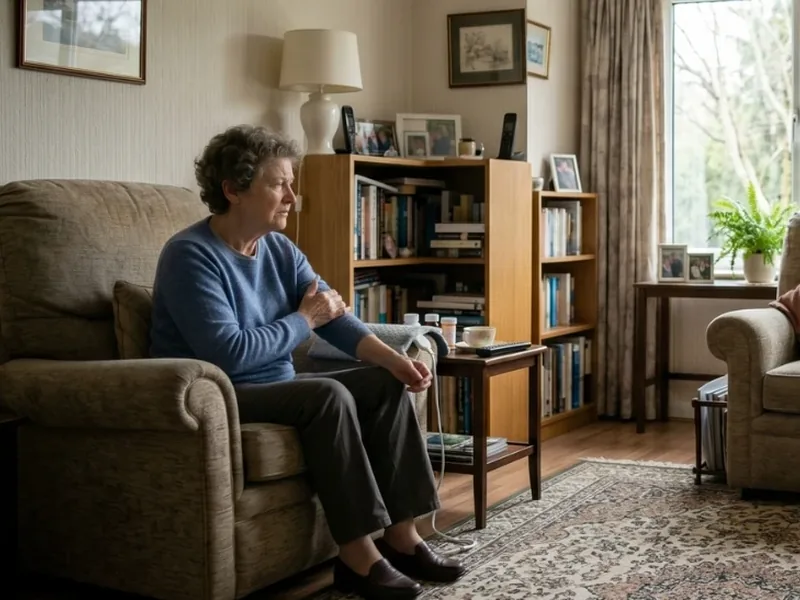
Fibromyalgia affects the system that carries and interprets pain signals, not one damaged muscle or joint. The signal itself is amplified, so a normal amount of activity can produce an ache that seems far out of proportion, and it can hang around for days afterward. That is what accounts for the widespread discomfort, the tender areas and the difficulty concentrating that so often comes with it. It also explains why treatment is built around pacing and gradually raising tolerance rather than pushing through, which usually costs more than it gains.
Sleep is where the body turns the volume back down. When sleep is broken or shallow, pain sensitivity rises the next day, energy drops and concentration suffers, which makes activity harder and makes the following night worse again. Poor sleep is one of the most common things people report in the days before a flare. Part of your plan is finding the movement and the positioning that make rest more comfortable, so that cycle has somewhere to break.
Stress reliably raises symptoms, whether it comes from illness in the family, a hard stretch financially, or worry about your own health. The body holds tension in muscles that are already sensitive, and tension makes movement hurt more. This is not a character flaw and it is not the same as being told the pain is in your head. It means the plan has to include ways to lower muscle tension and settle the system, not exercises alone.
Pain makes you cautious, and caution is reasonable. But months of doing less quietly reduce strength, endurance and how much activity you can handle before symptoms climb, so the threshold for a flare keeps dropping. This is the part of fibromyalgia that gets worse if it is left alone, and it is also the part most within your control. We rebuild tolerance in increments small enough that they do not cost you the next day.
Illness, a change in medication, travel, a week with too much in it, or a schedule that simply fell apart can all push symptoms up. Flares are not random, though they can certainly feel that way. Part of therapy is learning your own pattern: which triggers matter for you, what the early warning feels like, and what to do on the first day instead of waiting a week for it to pass on its own.
When everything aches, the body braces. Shoulders sit high, the jaw tightens, breathing gets shallow, and muscles hold a low-level contraction all day long. Muscles held that way become tender in their own right and get less circulation, which adds a mechanical layer of pain on top of the sensitivity you already deal with. Hands-on techniques and simple relaxation strategies take that layer off, which is often what makes the exercise part possible at all.

How physical therapy in Tennessee helps.
Your care is built around your tolerance, your energy and your goals, not a standard protocol. Gentle strength and mobility work supports posture and stability. Hands-on techniques reduce tension and improve circulation. We spend real time on education, so you understand what your symptoms mean and how to handle a flare when one starts, and we give you movement and positioning strategies that lower the strain of an ordinary day. As your tolerance improves, the plan steps up gradually so the progress holds instead of collapsing after a hard week. You do not need a referral to be seen in Tennessee, and we will verify your insurance benefits before you start.
What to expect from your recovery.
Evaluation and a starting point
Your first visit runs 30 to 60 minutes, one on one. We go through your symptom pattern, your sleep, your energy across an ordinary day and what you are still managing to do, then test strength and mobility gently. You leave with a starting point deliberately set below the level that provokes a flare.
Gentle work and symptom management
Early sessions pair hands-on techniques for tension and circulation with light strength and mobility work, plus education on managing symptoms at home. Most people come two to three times a week, and the first change usually shows up as an easier morning or a shorter recovery after activity within the first few weeks.
Building tolerance that lasts
As tolerance improves we add load and duration in small steps and apply them to the tasks that matter at home. A typical plan runs four to six weeks. You finish with a home program, a plan for what to do when a flare starts, and simple recommendations for holding onto the progress you made.
I had a great experience with Gerihab Physical Therapy. The team is incredibly knowledgeable, patient, and genuinely cares about helping each person improve their quality of life.
Pain rarely travels alone.
Arthritis
Aching, stiff joints often sit alongside widespread pain. The two are treated differently, so it is worth telling them apart.

Chronic Pain
Pain that has outlasted the healing behaves differently. We treat the sensitivity, not only the sore spot.
Joint Pain
Specific joints can flare on top of widespread symptoms. We settle those down and rebuild support around them.